I posted my book review of David Kibbe’s Power of Style after I finished reading the book a few months ago. I wanted to get my review up reasonable quickly after I’d finished reading the book, but in my review I did note that although I had some criticisms of the book, and felt that I had finally “found” myself in the system with the Soft Dramatic Image Identity, I was still interested in trying out the exercises and really giving the whole process a whirl to see if it had any impact on my feelings about the book or the updates Kibbe has made to his style system.

I will say that I do think my overall impression of the book is a bit better for having worked through the exercises or “games” as Kibbe calls them. I think the process of following Kibbe’s method is much more enriching if you put the time in to do the homework, both in terms of better understanding the principles of the system and in terms of understanding your own sense of style and what goals you may be ultimately trying to achieve. I was a bit skeptical reading through the book at first, but ultimately I’m really happy I took the time to go back and work through the exercises.
My “Game” Results
The book contains 15 “games” or activities to help you learn to appreciate your own body and unique beauty, to help understand the concepts of Kibbe’s system (image IDs and colors), and to help hone in on your own personal sense of style. While I would say I approached these exercises with differing levels of enthusiasm, ultimately I feel like at the conclusion of the book I’ve left everything feeling very content with my understanding of the system, as well as inspired to take a fresh look at my wardrobe planning and goals. Here’s a deep dive into the different exercises and what I got out of them:
Game 0: Susan’s Breath
Kibbe asks you to do warm-up exercises before each of the games to help calm yourself and to generate focus. I found this a bit out there in terms of spirituality, and I can’t admit to having actually done this before each of the games, but I did at least try to come at the games when I wasn’t tired and could give them a decent bit of my time and attention.
Game 1: My Three Loves
In this game you are supposed to find 3 things you love about your physical appearance and write it down on paper. Once you get to the shopping stage of the process you are supposed to bring this with you to help with the potential trauma of the dressing room. I don’t know that I really feel like sharing my results for this part of the process on the internet, but I did write down my list for personal use. I do appreciate that he starts the process off with the idea of self love, though I can also see how having the first few games be a bit more on the spiritual side might turn some people off a bit.
Game 2: Let’s Go to the Movies!
In this game Kibbe lists nine movies he recommends to review and study the costuming and style. He recommends each for different reasons; sometimes for the character’s evolution through style, sometimes for the idea of situational outfits, and sometimes even to review the costumes of the background characters. He recommends you watch at least two of the films and take notes, but since I really wanted to get a sense of the system I watched all nine. It’s definitely not random that he’s presented nine films and has 10 Image IDs in his system now; in general I would say each film had a main character or two main characters such that all of these films present at least one star that corresponds to a different ID. This was probably one of the most fun exercise in the book – my mom and I watched old movies every night for a week, and I definitely found some great outfit inspiration. Even though these movies are classics from the 1930s-1960s, I think a lot of the outfit inspiration would be considered timeless.
I also found the themes from some of these films surprisingly relevant to the modern day. There are definitely some scenes in a few films that are a product of their time, but I was surprised how many connections I could make to the struggles of the characters in these films. Issues about women’s rights and their place in society were fairly prevalent throughout. From bodily autonomy to property rights to the struggles of balancing a career and a relationship, the stories in these films felt uncomfortably similar to the struggles of the modern day. Although we may no longer need to take the train to Reno, there are plenty of parallels that can be made to current events and issues we as a society are facing today. I’ve definitely grown a list of classic films I want to watch as follow-ups to this list, and not just because of the fashions.
The nine films Kibbe recommends are:
- Gigi – Leslie Carron (Soft Gamine)
- Funny Face – Audrey Hepburn (Flamboyant Gamine)
- An Affair to Remember – Deborah Kerr (Kibbe lists her as Soft Classic, but I think she is Dramatic Classic. I said what I said. Let the flame war in the comments begin.)
- Carmen Jones – Dorothy Dandridge (Theatrical Romantic; I think a lot of the other characters in this movie fall into different IDs, so it can be great to compare styles between characters.)
- The Women – Norma Shearer and Joan Crawford (I think Norma is Soft Natural and Joan is Flamboyant Natural or maybe Dramatic; Kibbe doesn’t classify either in his book. Regardless, this is another movie that’s great to compare the styles and impressions of the different characters and see how they give off different vibes in different costumes.)
- Born Yesterday – Judy Holiday (Romantic)
- Stormy Weather – Lena Horne (Soft Dramatic)
- Peyton Place – Lana Turner (Kibbe lists her as Dramatic Classic, but I think she’s a Soft Classic. Now the haters are all really gonna hate…)
- Adam’s Rib – Katherine Hepburn (Dramatic)
My personal take-aways from watching these films and taking my style notes were:
- I prefer straighter silhouettes to large soft silhouettes
- I enjoy use of sparkles for evening or the simplicity of a long gown with an interesting neckline
- I really like asymmetrical details (necklines, draped, or angled fabrics)
- I enjoy the occasional use of lace or appliqué as a detail
- I prefer solid colors to prints
- I prefer deeper colors (black, dark blue, etc.)
Game 3: The Carrot and Your Cake
In this exercise you are supposed to pick one daytime outfit and one evening outfit from the films you watched and find a contemporary outfit inspired by the costumes from the films. Of course, I picked sewing patterns rather than RTW to update the costumes for the current day.
It was a bit tricky for my to narrow down my favorite outfits, so I made a sketch of my top picks from the movies that I watched:

For the daytime outfit I picked the “break up” dress from An Affair to Remember and thought Vogue 8825 would be a good pattern to create a modernized version of the look.


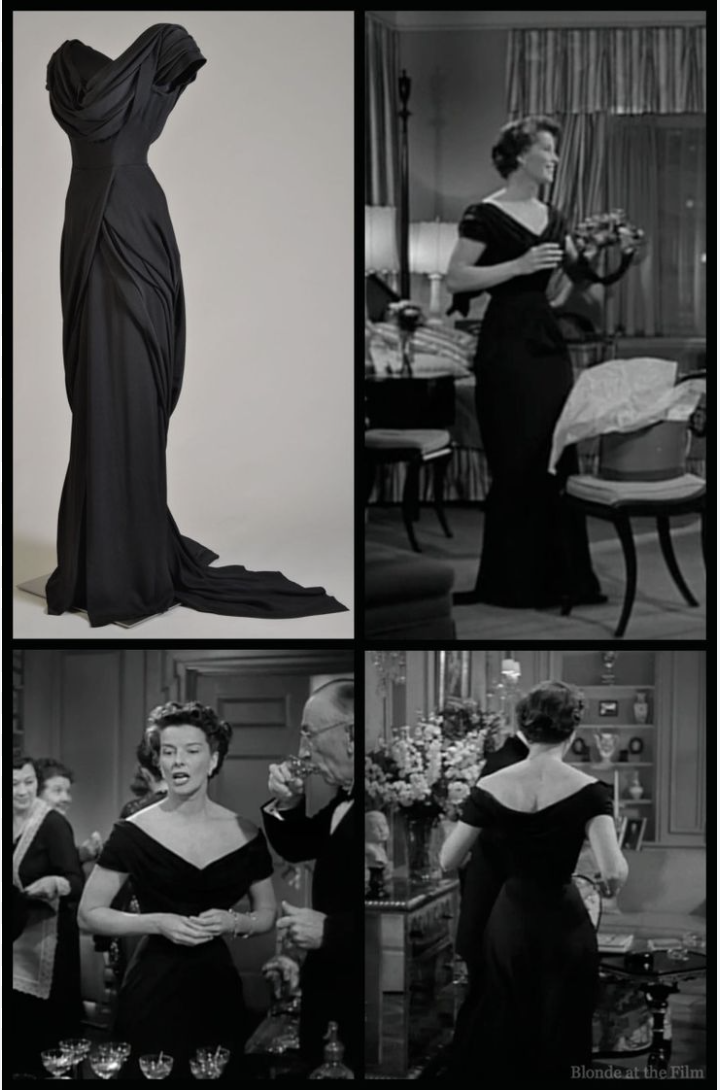
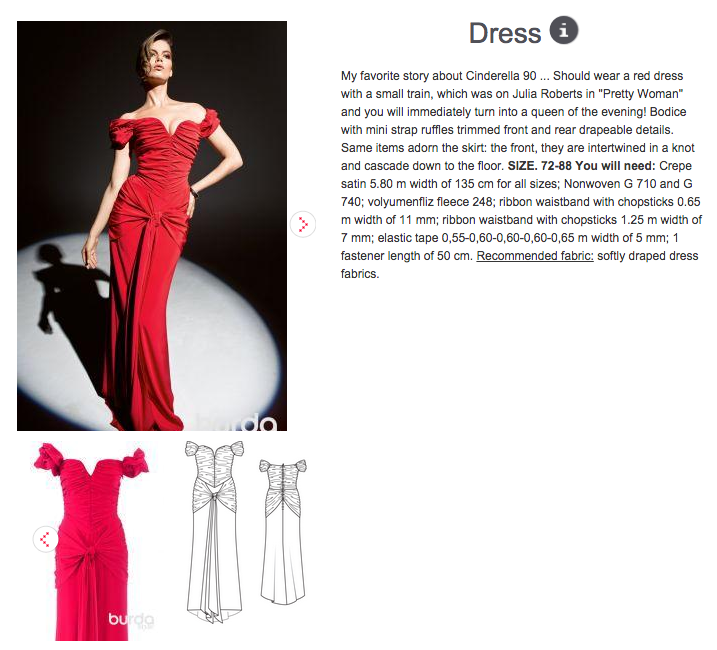
For the evening look I chose Katherine Hepburn’s stunning black evening gown from Adam’s Rib. You can’t see all of the details on the film, but luckily the internet has found higher resolution images and this dress is truly amazing. To re-create the look I chose the Pretty Woman Burda pattern (11-2014-120). I know it’s already a re-make of a gown from a different film, but I think it gives the same general vibe, and could be a good base pattern to adapt if I wanted to make something a bit closer to the inspiration image.
Game 4: Potluck
In this game Kibbe gives you a list of words and has you identify which words you have the most positive and most negative reactions to. I won’t list everything here, but my positive words were glamorous, understated, muscular, and thin, and my negative words were brassy, thighs, flesh, and wide. The point of this game is not to say that words are good or bad, but instead to help you identify how you react to certain words that often come up when talking about style or fashion, and to help recognize your own biases before moving on to the next set of exercises. I will say that even from my own word list I can see how societal norms have influenced my thinking and where I can work to be more cognizant of my own personal biases, but I can also see how some of these reactions might be key to understanding the true nature of my own personal style.
Game 5: Don’t Fence Me In!
In this exercise Kibbe has you create a collage of images that include a building, a landscape, a tree, a flower, a garden, a sky, a formal gown, and two “images that delight”. You are allowed to make substitutions for any of the images (example: changing the garden to a beach) except for the gown.
I think this might actually be the most important exercise in the entire book in terms of finding personal style. It seems like you are gathering random images, but the final result really gives you something that is truly inspiring. Even other internet creators were really happy with the results of this game from the book:
I took to Pinterest to make my own mood board and it’s really surprising how much love what I’ve created. Here is my Kibbe mood board, which, I have to honestly say, does bring me joy whenever I look at it. I’m definitely going to use it as inspiration for wardrobe planning later this year.

Game 6: See It, Feel It, Record It!
In this exercise Kibbe has you hone your eye for Yin and Yang images and make a 6-image collage for each. I wanted them to be comparable, so I really looked for complimentary images to show the contrast between the two concepts.
Here is a side-by-side comparison of my Yang board and my Yin board:
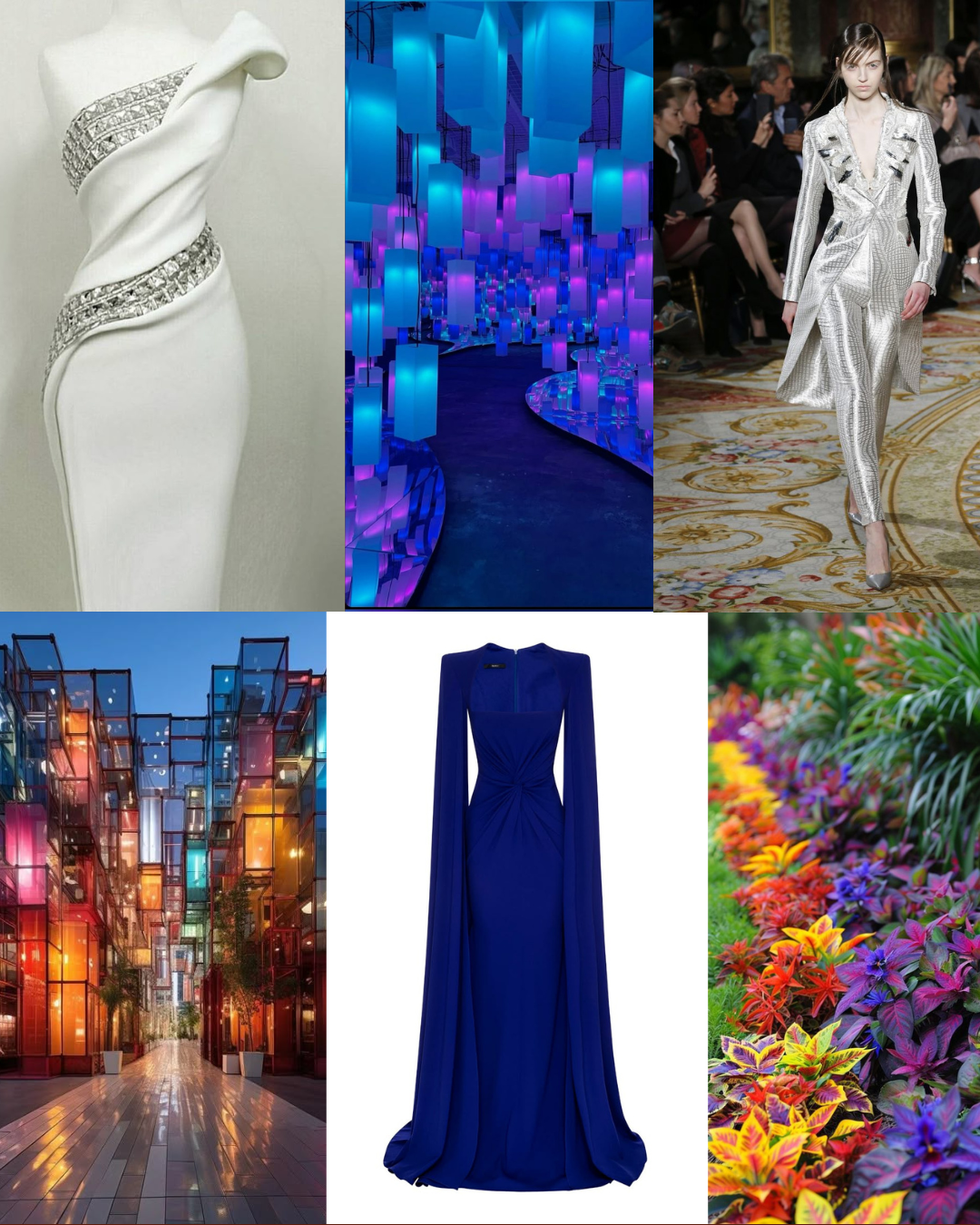
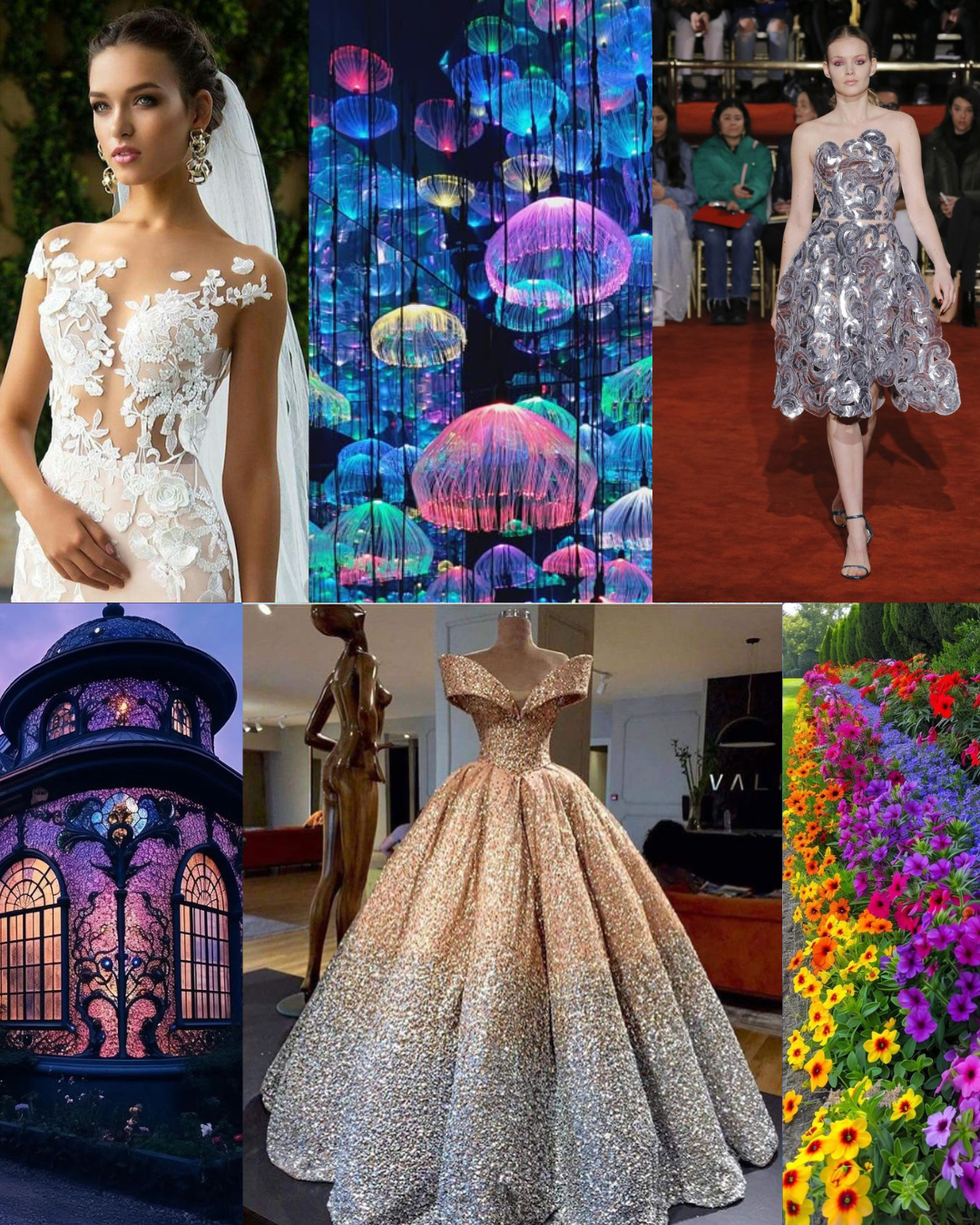
Interestingly, I noted that I had a much more positive reaction to my yang board. The yin board felt too girls and less interesting to me than the images on the yang board. I think that using similar images in each really helped with this comparison.
Game 7: Your Yin/Yang Soiree
Now that you understand the difference between Yin and Yang, Kibbe has you make a collage for a “Yin” party and a “Yang” party. For my Yin Party I went with a “Fairy Garden Party” and for my Yang Party I went with “1920s Murder Mystery”.
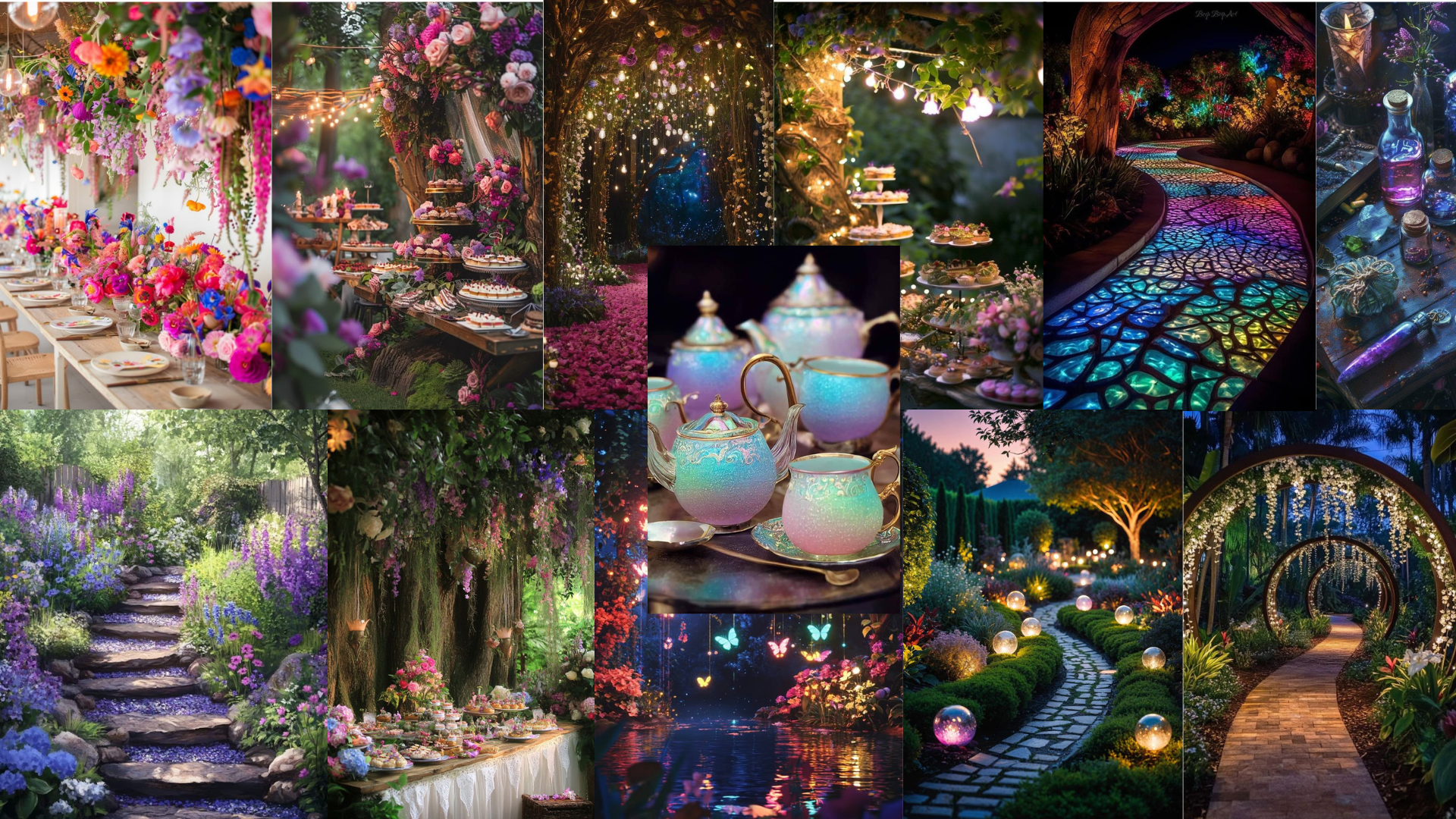

Interestingly, I am a bit more drawn to the garden party than the murder mystery, even though I had the opposite reaction to the previous boards and game.
Game 8: What’s My Line?
This is where you finally figure out your Image Identity. You decide your primary trait (vertical or curve) and your secondary trait (narrow, curve, balance, width, petite, or double curve). Anyone over 5’6″ has an automatic vertical dominant, so at 5’7″ that put my in the vertical dominant half of the options. I definitely have curve as a secondary, so figuring out I was Soft Dramatic was easy with this method, but also a bit of a shock. I talk about this a bit more in my full book review. I think I’ve settled into the idea quite a bit more at this point and I’m starting to explore what it means to have this Image ID.
Game 9: Be Still, My Heart!
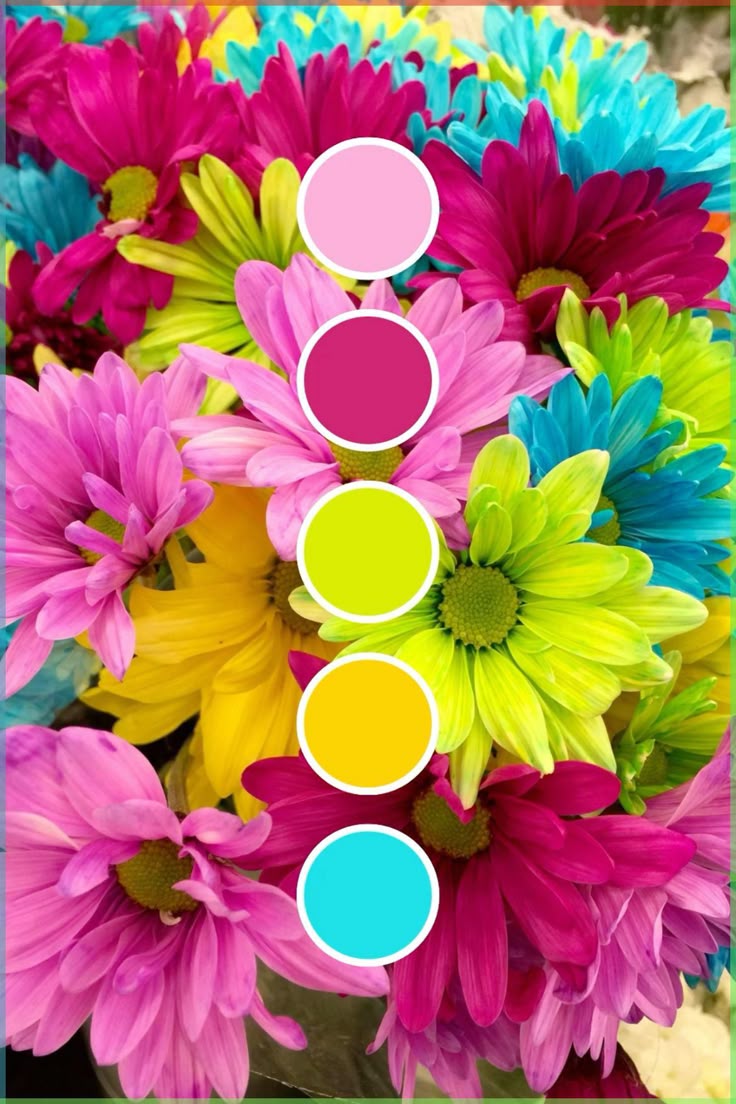
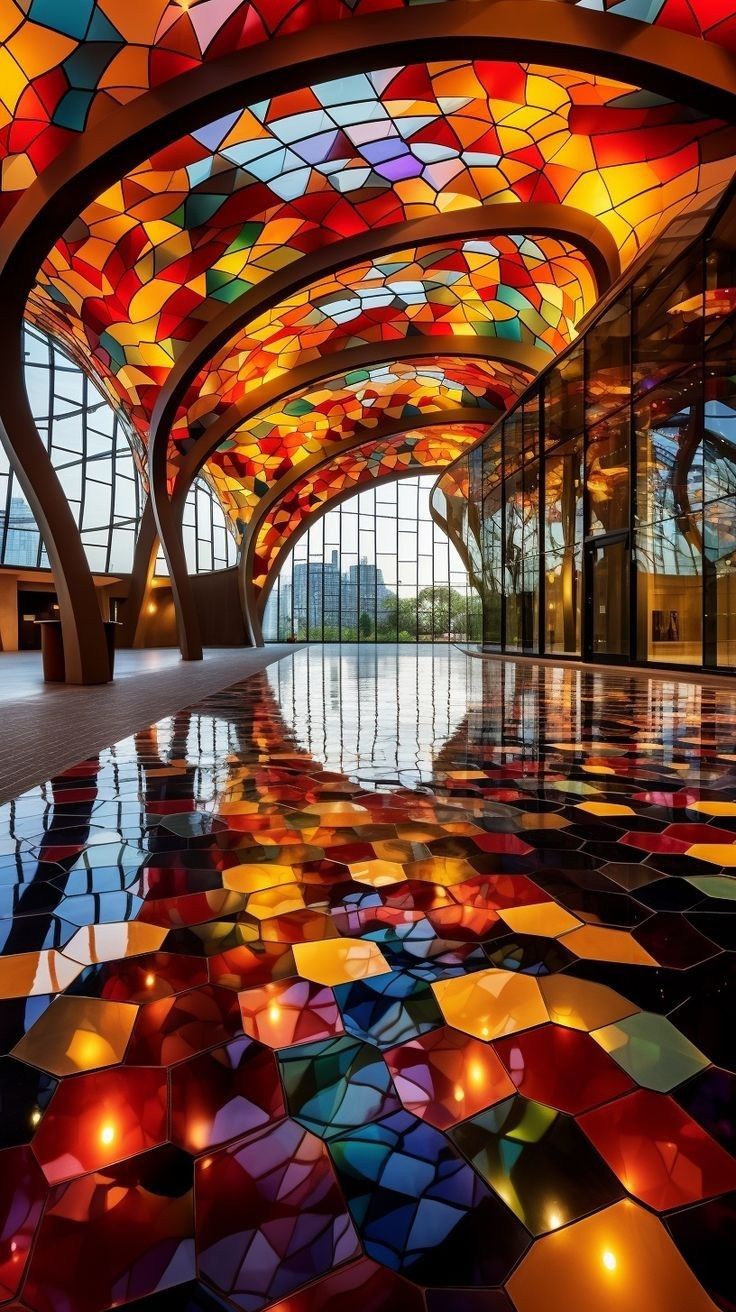
We have moved on to learning about the color seasons. Kibbe has you look for an image that represents the color seasons after explaining the difference between the four color seasons he uses for his system. My images are below: spring (upper left), summer (upper right), autumn (lower left), and winter (lower right).


Game 10: Your Color Phantasies
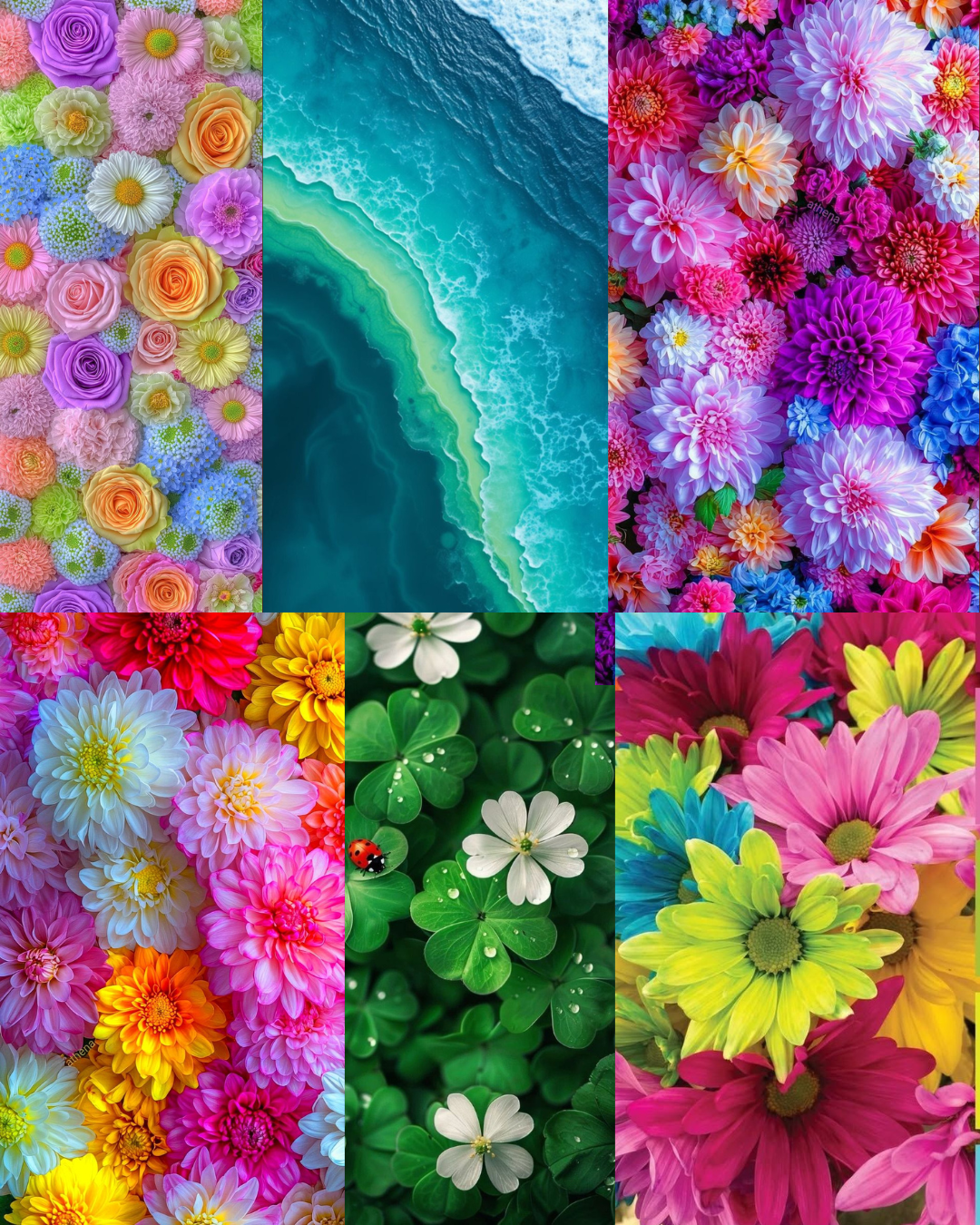
Here Kibbe has you expand on the previous game by creating a 6-image collage for each of the seasons. My collages are below.
Spring:
Summer:

Autumn:

Winter:

I must admit that while I enjoy all of these collages, winter is the one that resonates most with me. I am least drawn to spring. I will say, however, I am surprised how much I love the deep rich tones I used for the autumn collage. I know I’m not a warm season, but that collection of images almost makes me wish I was.
Game 11: The Yuck!
This one is simple – you pick your “yuck” color. Mine is “baby poop green”. Pro tip: don’t Google it.
Game 12: Lazy Plus
This game is where the “application” of the system gets started. Kibbe instructs you to do add one “extra” to your lazy outfit when you go meet people. My “extra” was trying make-up techniques described in this book (I don’t usually do makeup for lazy outfits). It did result in comments from my friends about me “looking good” or “looking pretty” that day, which was interesting to note.
Game 13: Dream Job/Dream Event
Kibbe wants us to start thinking about head to toe looks and situational dressing, so he has us imaging our dream job and a dream scenario we might have as part of that job. How would we dress? What is our “dream upgrade” to the outfit we would wear to this event? For me I wanted to dress in something that was professional but not stuffy for a big in-person meeting event.
Game 14: My Three Loves (Dressing Room Edition)
This is where we get to pull out our paper from the first exercise while shopping for our dream outfit. Of course, since I’m planning to sew and not shop I haven’t done this. But I can see how it might be helpful to get through the issues of shopping if you find dressing rooms stressful.
Game 15: Deservin’ the Dress!
In this scenario Kibbe tells you that you must spend a minimum of $5000 for the “basic piece” of an outfit for a special event, not including accessories. The purpose is to help you feel that you deserve nice things (his explanation is that a lot of his clients leave things behind because of the price only to realize they missed out on something special they really wanted) and that you should feel worthy of investing in yourself. I don’t live in a world where I can easily drop $5K on one article of clothing, but I did find a Monique Lhuillier gown that was $6995 and reminiscent of the Katerhine Hepburn gown from the earlier game that I was quite drawn to.
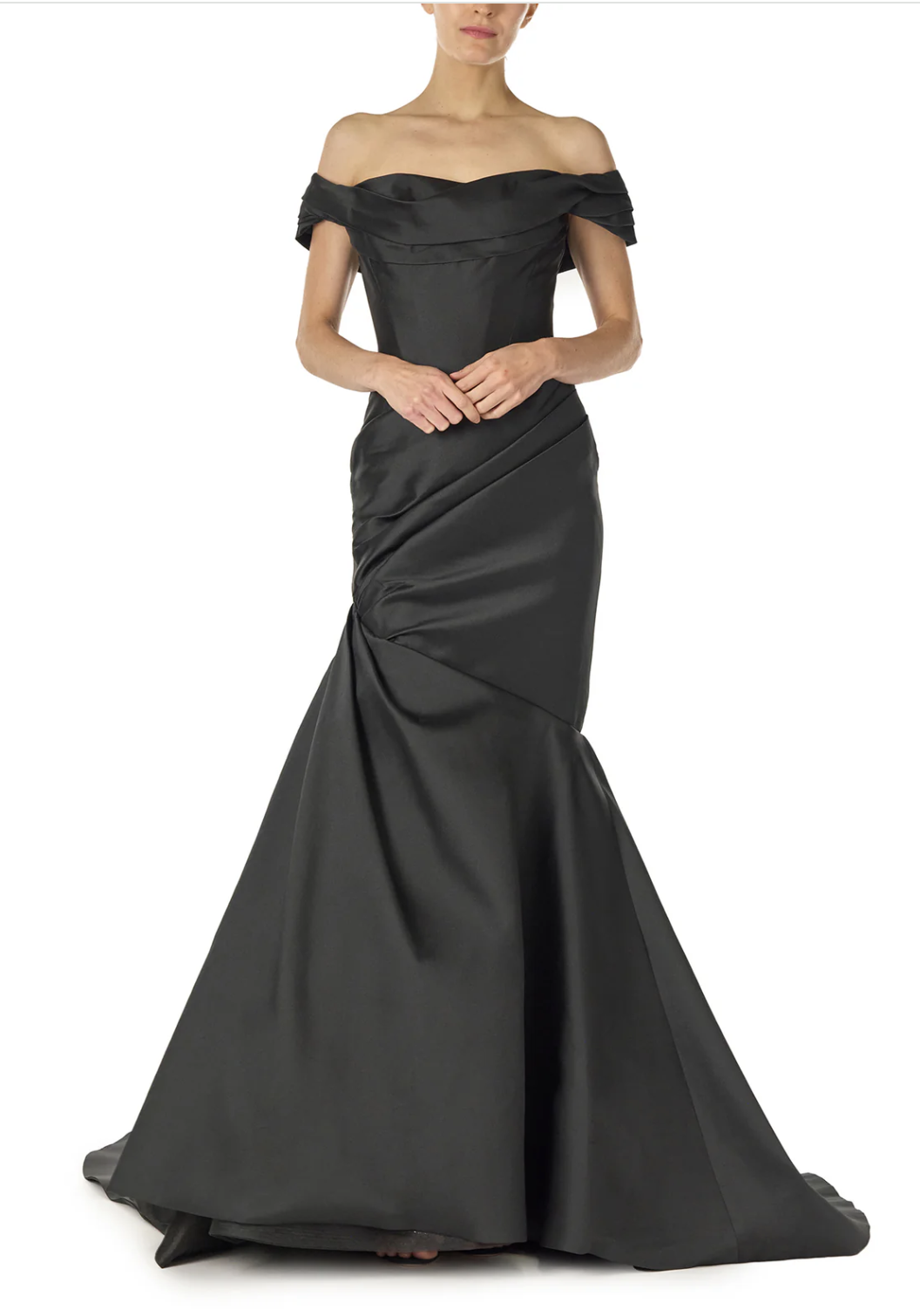

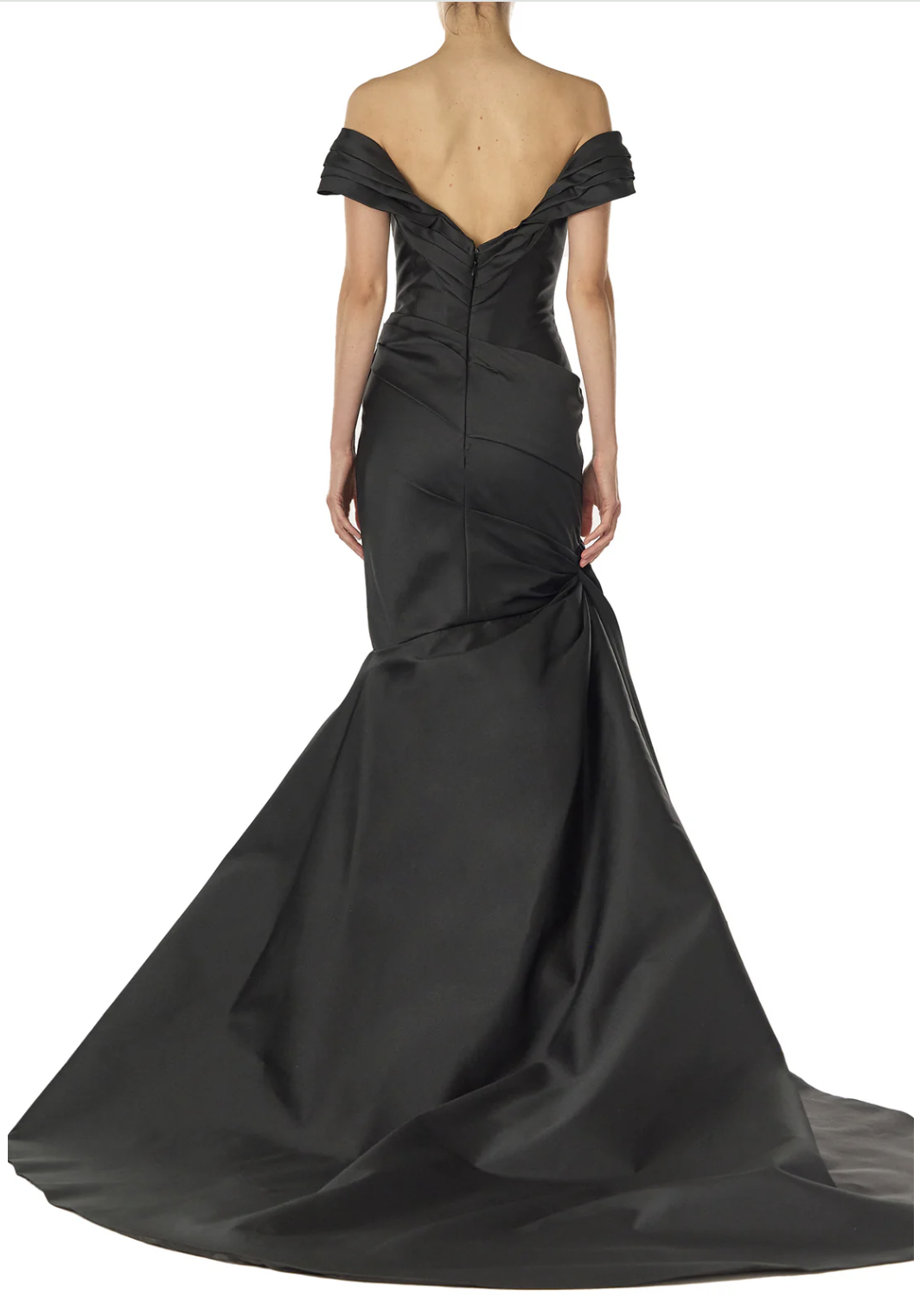
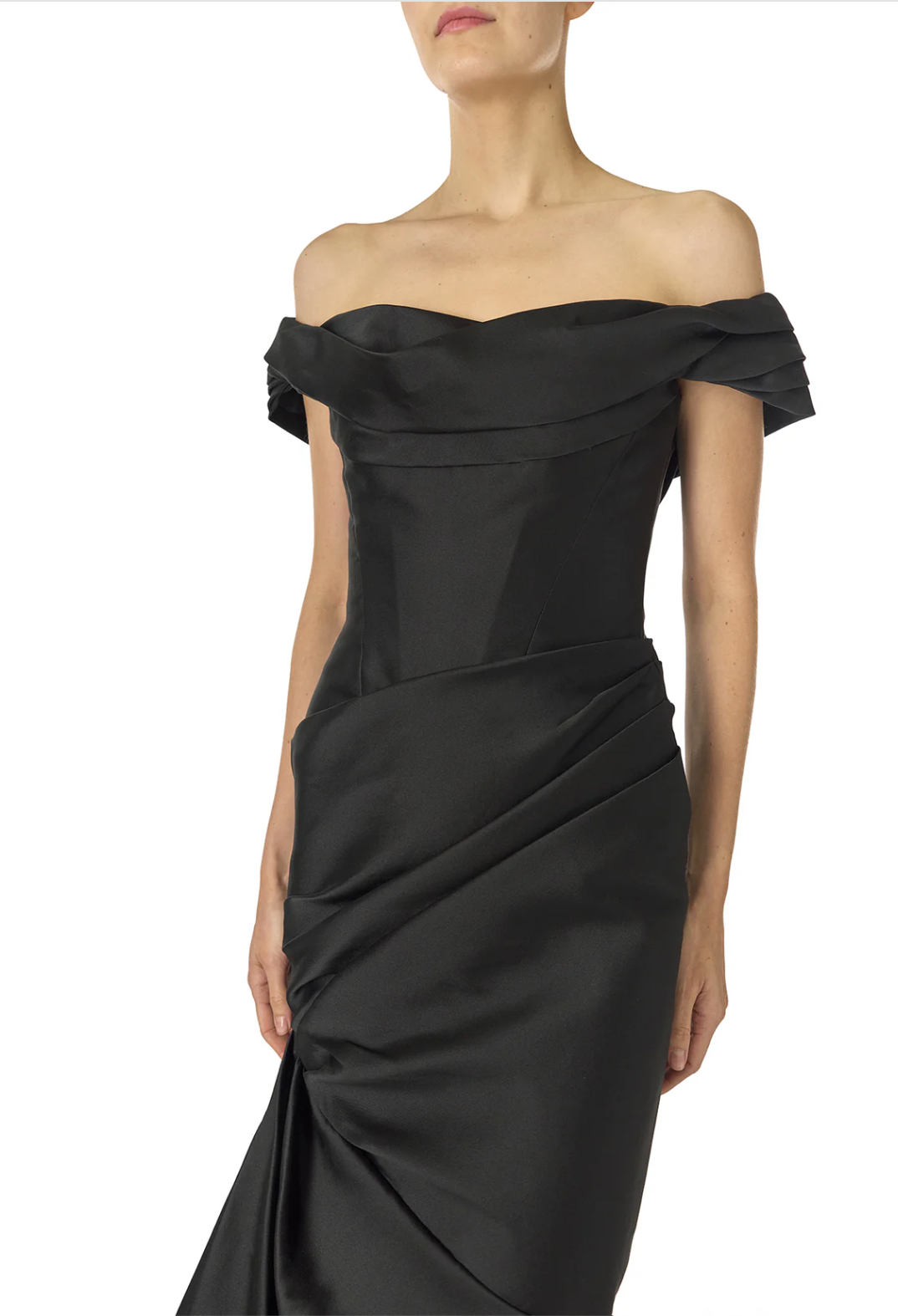
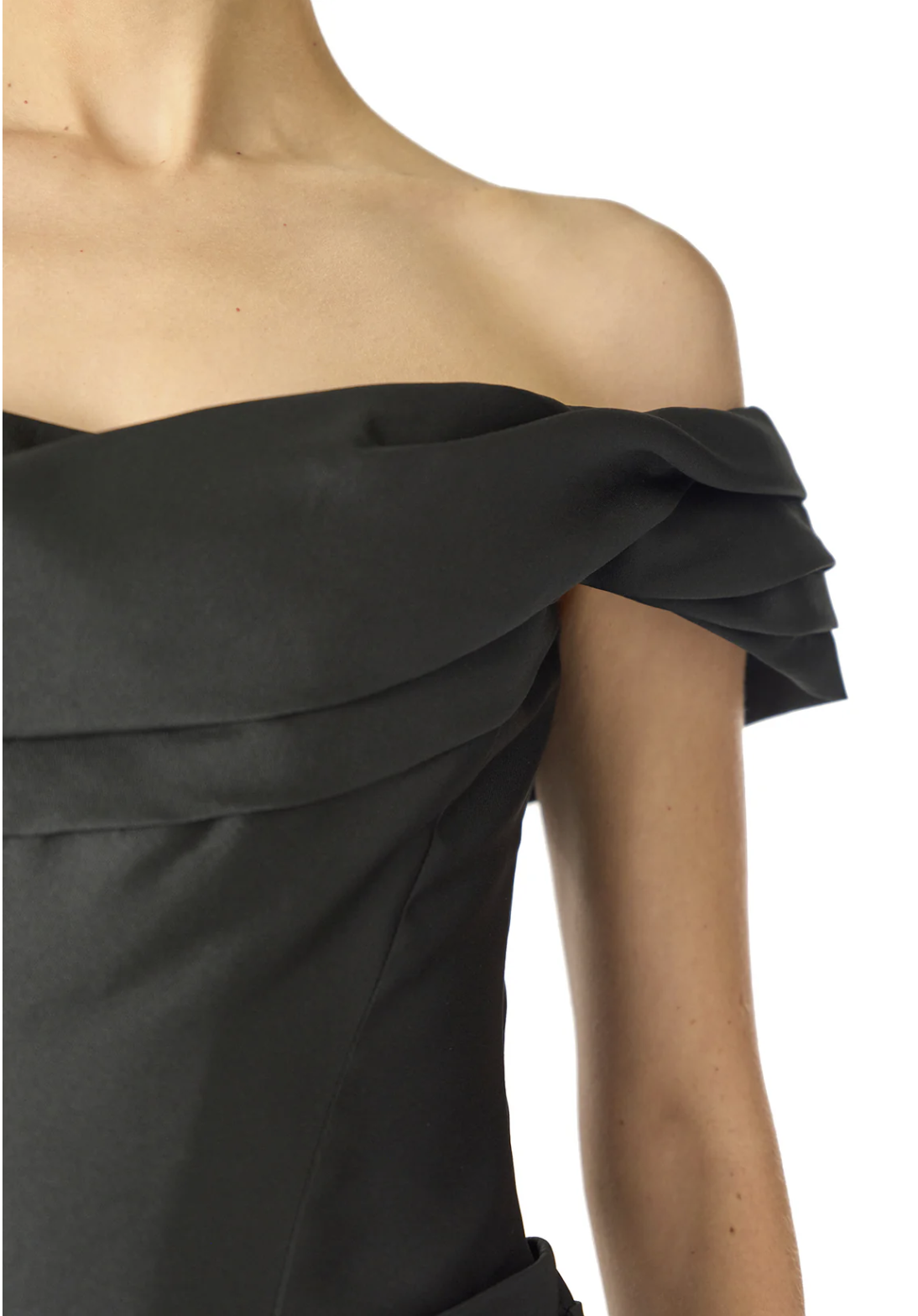
I know that a lot of people have been a bit critical of this portion of the book because they feel like it might have a negative impact on someone with a shopping addiction. I can see how different people would react to this section quite differently. I will say that I took it for what it was – an exercise to help you consider your style upgrades as a personal investment in yourself, and not as an invitation to spend money I don’t have on an outfit I don’t need for an imaginary event I won’t ever really attend. I will say though, that restricting searches to gown over $5000 did help solidify the observations I had made earlier about being drawn to solid, deep colors and asymmetrical details on a more narrow silhouette.
Conclusions and Overall Thoughts
Overall, I’m really happy I took the time to work through these exercises. Although I would say that I didn’t necessarily find every game that impactful, collectively I feel like I’ve been able to really focus in on what my actual style goals are. The two games related to the movies actually helped me a lot and have really inspired me to watch even more classic films for further inspiration. I also think the exercise to create the mood board is extremely helpful in getting a good sense of personal style. The other exercises related to creating image boards for yin/yang and the color seasons were fun and I do love to look at my inspiration boards, but I don’t think they were quite as impactful to me since I already had an idea about the underlying principles of Kibbe’s system before reading this book. Of course, everyone is here to find their Image ID, so the game to find your line is critical, and was definitely eye-opening for me. Some of the later games are theoretically helpful in starting to implement the changes from the book into your own personal wardrobe, but I don’t think it goes enough in depth here. I do sort of wish the book had you do more in terms of making outfits, taking pictures, and seeing how they match up with the (extremely brief) descriptions of the silhouettes for each Image ID. Not that I couldn’t just do that on my own, but I do wish there was a bit more guidance there. Though perhaps this goes back to everyone wishing this book gave them what they expected (ie, the 1980s recommendations updated) rather than what they got (a vague description and a rant about how internet influencers don’t understand his system). In general, I would say that if you do get the book, it’s definitely worthwhile and very fun to do most of the games, and I highly recommend watching the movies with a critical eye to see what you can take from them and making the inspirational mood board collage. I don’t think going through the exercises changes much of what I said in my previous review, but I do think to get the most out of this book you do have to work through the games and not just read the general sections provided by Kibbe.
 Doctor T Designs
I really appreciate this quite-exhaustive review–it was kind of you to include the actual questions and exercises so we can try it ourselves. Thank you. I might allow myself the mental permission to spend $5,000.00 or more on a dress, but my lifestyle just doesn’t include circumstances in which the urge to actually spend that much on one item would feel great to me. Still, it is important to free the mind from the financial limits, and if there are excellentg costly outfits that exist, a lot can be learned from finding them and seeing how they might translate to something viable in our actual lives.
LikeLiked by 1 person
Was I clear enough that the ‘mental permission’ meant me letting me imaginarily buy the most expensive dress in the world but not the physical version of it…?
LikeLiked by 1 person
Yes, I think so!
LikeLiked by 1 person
I bought the book too, and I thought the exercises sounded pretty good. I stalled on the films because I don’t have the time, but reading about your journey makes me think I should just move on to the collages, they sound great.
I love Kibbe’s positivity, even though it all sounds a bit fluffy when written down. All the stuff about coming from a place of love and dismantling our personal hang ups is so good. Sewing one’s own clothes is great for that. I never realised a lot of things about my own shape until I had the ability to make clothes fit the way I wanted thrm to.
People complained about the style reveals in the book but as the whole thing is about finding your own style, it’s perhaps not surprising that they were marmite. I feel like I have learned a lot from Kibbe’s ideas but my own style doesn’t look much like his Dramatic examples. And that’s fine.
LikeLiked by 1 person
Yes, I would definitely say jump over to the collages if you don’t have time for the movies. I really liked the movie exercises and it did help me narrow down what I like in an outfit, but it certainly wasn’t critical to do that before any of the other exercises. The only one where I found myself coming back to it was the last game about finding an expensive outfit, otherwise it really could have been after doing the other work on shape and color. Have fun!
LikeLiked by 1 person
Thank you so much for both very indepth reviews. I have only just discovered your page via searching for sewing patterns. However I have also been in the kibbe/essence/colour rabbit hole for about 15 years. Now I need to go and look at your sew kibbe set of blogs and patterns!!!
LikeLiked by 1 person