This is going to be a long post, so it’s time to grab tea and cookies and settle in for some rabbit hole deep dives and way too much thinking about my theoretical wardrobe and the sewing plans I don’t have time to execute. This post has spent two years in drafts as I’ve gathered resources and information (and been distracted by sewing bras), so if it wanders a bit in terms of tone and thought process, that’s why. But if you’ve been (im)patiently waiting for me to get back to talking about anything without underwires – the time is now!
Long time readers of the blog know that I have spent a disproportionate amount of time contemplating wardrobe planning and style systems, especially when compared to my actual sewing output. I’ve played with a lot of different methods and formulas to come up with wardrobe goals and sewing plans. Although I’ve largely been distracted by bra sewing the past two years, I’ve also still been thinking about various style systems and how they are (or aren’t) working for me. With this, I tend to watch a lot of stylists on YouTube to get new ideas or inspiration, and from those videos I’ve found a new style system to explore: The Kitchener Essence System.

Probably the style system I’ve had the most success with has been the Kibbe system, mostly because I originally felt that the suggestions for which types of lines would suit what I believed to be my image ID would work really well for me and helped me narrow down my vast array of sewing patterns into a more select set of options that would have a high likelihood of working well to make a basic capsule-ish type wardrobe. However, I felt like something was still missing and not quite working right. In Kibbe’s Metamorphosis, he does apply some level of personality traits to the image IDs, but I think these have often felt narrow, somewhat generic, and definitely outdated. I think too that when Kibbe’s five general categories (Dramatic, Romantic, Classic, Natural, and Gamine) and their subcategories are reviewed they also tend to have a certain stereotypical presentation to them. While I think that is a bit narrow of a view on Kibbe’s recommendations, I can understand how people can feel stuck when they are trying to find their image ID. What’s more, a lot of people feel like they just don’t “fit” into one of the categories, because the style of clothing just doesn’t resonate or seem to work for them, even if they “test” into a category. Adding to the confusion, the information from the 1980s book Metamorphosis isn’t entirely consistent with Kibbe’s very recent release David Kibbe’s Power of Style, at least in terms of identifying an image ID. Fear not dear readers – I will be reviewing this book soon, and doing an extremely deep dive on what’s changed and how I feel about it, because I definitely had some moments while reading through the new book. Anyway, all that being said, I think people tend to get really hung up on the Kibbe system as presented in Metamorphosis and then spiral trying to figure out where they belong. This, I think, is where the Kitchener Essences might actually be really beneficial.
I had heard about Kitchener back when I was doing my deep dive on Kibbe, but the system seemed really convoluted at the time and there weren’t a lot of people talking about it that I had found. Fast forward a bit, and I found Gabrielle Arruda’s YouTube channel. Gabrielle was a fashion designer (on Project Runway!) but has become more of a stylist. I appreciate her 3-pronged approach to style, by looking at color seasons, Kibbe lines, and Kitchener Essences. She very much has a “use what works, ignore what doesn’t” sort of approach, which I think is also really helpful if you feel like you don’t really work or only kind of work in one of the systems. I’ll primarily be citing her resources in this post because I think she has the most comprehensive materials, but I feel like other stylists on YouTube have picked up on the three pronged approach and inclusion of essences idea as well.
I feel like often the main takeaway from Kibbe’s system is about being very scientific in analyzing the body and then applying the correct clothing lines on top of it. Conversely, the best way I can describe Kitchener’s essences is vibes. From what I’ve seen, the Kitchener system is based primarily on what sort of style essences you give off, and primarily based on facial characteristics. The other main difference is that while you can only be one image ID in Kibbe’s system, in Kitchener’s system you are typically a blend of the essences. While some of the Essences overlap with Kibbe’s 5 main categories, there are some differences, so before I jump into my approach in figuring out this system, let’s review the Kitchener Essences.
Overview of the Kitchener Essences
Rather than reinvent the wheel I would direct you to this wonderful overview blog post from Gabrielle Arruda, which links to all of her YouTube videos and goes very in depth on each essence. But if you don’t want to fall down the rabbit hole as far as I did, I will also give a brief summary here.
The Kitchener system is similar to Kibbe in that there is a discussion of yin and yang, where the yin essences have the overall appearance of curved lines and the yang essences have straighter lines. The Yang Essences are Dramatic, Gamine, and Natural, and the Yin Essences are Romantic, Ethereal, and Ingenue. There is also a Classic Essence which, like Kibbe, is a blended balance between Yin and Yang.
Dramatic – The Dramatic Essence is, well, dramatic. This essence can handle bold shapes, sharp lines, and lots of structure. This essence also does well with elongation of the silhouette to give the sense of the vertical line. In this system it is considered the most yang of the yang essences.
Gamine – The Gamine Essence is compact and high energy. The scale is smaller than the Dramatics, but this essence can also have high impact looks by mixing patterns and colors that can create an overall whimsical effect.
Natural – The Natural Essence is a more casual and relaxed version of yang energy. There is a bit more easy and flow to this essence compare to Dramatic. Similar to Kibbe, this essence usually has boldness coming from a wider physicality either from bone structure or musculature, so the scale can be a bit larger but still feel harmonious, as opposed to Dramatics where the scale can be used to create the sense of drama.
Classic – Classic is the blend of yin and yang. The styles for this essence tend to be “classic” pieces that look elegant, timeless, and moderate.
Romantic – Unlike Kibbe, Kitchener’s Romantic Essence is not the most yin of the essences. In this system, the Romantic essence contains bold curves and bold use of color to create a very sensual vibe. It is “large scale yin” and does not include the tiny delicate details that Kibbe includes in his Romantic description.
Ethereal – The Ethereal Essence is based on elongated curves and is the most yin in this system. It is sometimes called the Angelic Essence as well. There is a lot of emphasis on draped fabrics, shiny materials, and creating a sense of being otherworldly.
Ingenue – The Ingenue Essence is small scale curves. It emphasizes details like lace and small scale prints, and has a very youthful energy. It has a very delicate feeling to the look and style.
The yang essences line up a bit better with Kibbe, but the yin essences are very different. One thing I particularly like about this system is that the Yin and Yang feels balanced. All the yin essences are based on curves and the yang essences on straight lines, but they all have something of a counterpoint on the opposite side of the spectrum based on the scale. For example, Gamine and Ingenue are both based on small scale details and designs, Romantic and Natural are both based on large scale or bold designs, and Ethereal and Dramatic are both based on elongated designs, and Classic is the true blend of everything.
I also like that this system allows you to find the blend that works for you. When I was writing my Kibbe series I got a lot of comments about how people felt like they fit in multiple IDs or in none of them, and I feel like that wouldn’t be as much of an issue in the Kitchener system because each individual has their own essence blend, in different percentages. I think it’s also important to note that you can be a completely different essence blend than Kibbe ID, though (and this is entirely based on my own observations of other people discussing these systems) I feel like if you had a really easy time finding a Kibbe ID, you probably have some of that essence in your blend somewhere. I also feel like the people who have the same typing in the Kibbe ID and Kitchener Essence tend to be the exemplars and then the people who have opposites tend to cause a lot of discussion and debate on the internet because often things “work” that “shouldn’t”. This theory isn’t really stated anywhere else that I’ve seen, but it does seem to be something I’ve observed in watching way too many style analysis videos on the internet. Anyway, I do think that most people will find one of the two systems easier to use, depending on how you think about things. I found the original Kibbe system easier to understand because it was a bit more prescriptive and gave more concrete descriptions in the style recommendations, whereas I think when I very first came across the Kitchener essences I didn’t really understand how to do an analysis of the difference essences and just sort of picked what I liked. Interestingly, I’ve come across other sources that said they had the opposite experience and that understanding the Kitchener essences was very intuitive but Kibbe took a lot more work to understand. And, arguably, these systems aren’t really designed to be mixed, but I do think that the approaches I’ve seen that apply them both seem to be the most successful in understanding how or why certain outfits do or don’t work.
My Approach to the Kitchener Essences
I think I originally gravitated to Kibbe because it felt like there was a somewhat scientific approach to the system, analyzing the bone structure and body shape, as well as being able to assess how the different style lines worked for me. It took a bit of trial and effort, and I bounced from an initial self-diagnosis of Soft Classic to Soft Natural, which is what I’ve been trying to work with the past few years. However, it still felt like I was missing… something… in terms of really narrowing down what I was trying to achieve in a wardrobe. I’m sure using something like the Three-Word Method might have helped, but since I found information on the Kitchener Essences before I found Wear It Well, I thought that trying to identify my Kitchener Essences might help me figure out what I’ve been missing. Apparently the only “real” way to figure out your Essence Blend is to see Kitchener himself (which, similar to how Kibbe is apparently the only person who can type you in his own system, is, I think, maybe not they best way to have a “system”, but I digress), but I’ve been all about DIY experimentation to figure out what works because (a) it’s more fun for me and (b) the real reward is the head scratching we did along the way, so why not try it here as well.
So, all that being said, I don’t think there’s really a “scientific” way to approach the Kitchener system, but, because I’m me, I’ve sort of done it that way anyway. Being a sewing blogger, I have a lot of different outfit photos, and a lot of pictures of me wearing totally crazy things that I probably never would have made or worn had it not been for a desire to sew something interesting or enter some crazy contest. This gave me a lot of style information to play with, and also meant I actually had years of outfits that I could classify as almost every essence. I made a giant graph of Kitchener’s essences using Gabrielle Arruda’s circular chart, and “plotted” all of the outfits I’ve worn on the blog into the chart. The results are honestly really interesting.
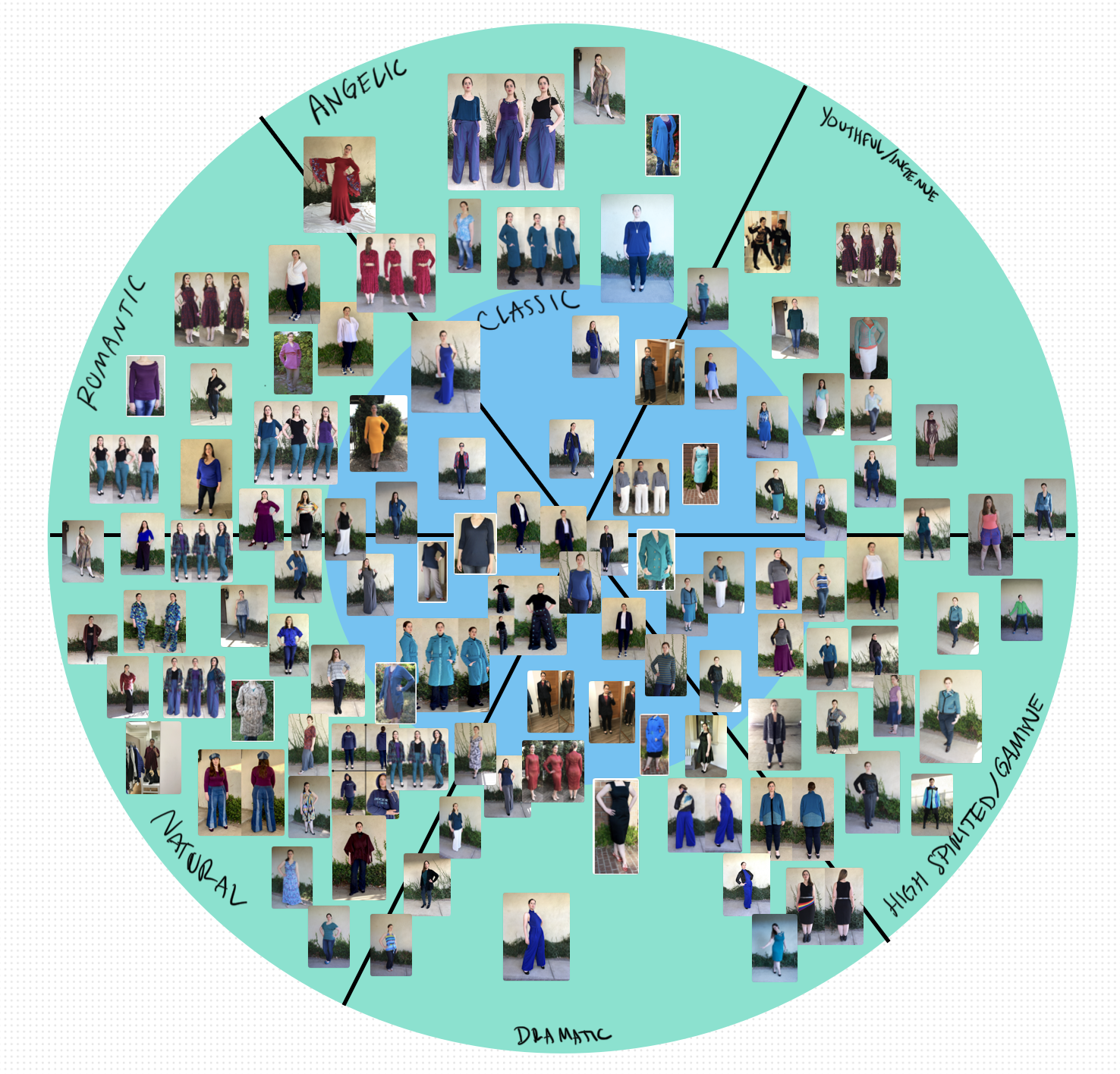
So, with this circular chart, the Classic essence is in the middle, with the yin essences on the top and the yang essences on the bottom. The “similar opposites” are paired top to bottom: Romantic and Natural to the left have the larger scale yin/yang, Ethereal and Dramatic are in the center for the elongated yin/yang, and Ingenue and Gamine are to the right with smaller scale yin/yang. I tried to put outfits where I felt like they fit in terms of showcasing the different essences; obviously this is imperfect for things that are a mix of Dramatic and Ingenue or Romantic and Gamine, for example, but it did mean I tried to identify a dominant essence for each outfit and then position it closer to the area where the other essences might exist. Everything on the inner blue circle I feel has a primarily Classic essence, and then arranged onto the sextant of their secondary essence. I didn’t expect to have outfits to classify in every category, but apparently that’s what happens when you don’t have a strong sense of your own personal style and you end up sewing a lot of random things because you want to experiment, try something new, or just get distracted by a pattern that is new and shiny and pretty. On the one hand, no, I don’t really have a good sense of my style and who “I am” but, on the other hand, we have so much data to analyze it paints a really interesting picture.
With Kitchener’s system, the most common advice is to find the top 3 essences in your blend, so let’s narrow things down a bit. Firstly, in Kibbe’s system, the one thing I knew I wasn’t was Gamine. Every recommendation for Gamine was the worst look for me. Despite this, I’ve clearly been trying to make fetch happen based on the number of Gamine-ish outfits I’ve put together. Interestingly, I don’t think most of the pieces themselves would read as Gamine, but definitely in the outfit combinations, they come off that way. The one thing I will say about the Gamine section of the graph is that these tend to be nearly all of the things I’ve made for various Pattern Review Sewing contests or patterns I wanted to try because the skills to make them seemed complex and interesting. However, practically, none of them got worn much (if ever) in real life. I’d always try to wear them, but there was such a sense of things “being off” that they usually only got one outing (as styled here) at best. So, regardless of the system, I think Gamine is definitely out.
The Dramatic and Natural categories are interesting. There are definitely things I like in both of them, but I think the farther they get from the center (ie, the more “purely” Dramatic or Natural the outfits become), the less I like them. There’s something about the Natural looks that feels too heavy and slightly sloppy, which really surprised me. I think because I’d really settled into the idea that I was a Kibbe Soft Natural as an ID that I assumed I would have some Natural in my blend here, but if I do have any I think it might be much less than I expected. Even the really wild prints which I thought I would love seemed like too much and out of place. The best “Natural” looks are the ones that are on the borders with Dramatic, Romantic, or Classic, and clearly are pulling a lot of influence from those styles. This leads me to believe that Natural isn’t really in my top three essences at all. The Dramatic looks, interestingly, I think I prefer in many ways because even though they are sharper, they feel less heavy. I really like the elongation, and I think the slightly more tailored looks are better than the completely oversized large scale relaxed looks in the Natural section that I am reading as slightly sloppy. Similarly, the crisp fabrics don’t look as weighed down as the rougher and heavier textures I put in the Natural section. However, one thing that has been asked in a lot of personal styling videos I watch is “do you see the outfit or do you see the person?” In all of the Dramatic looks, I definitely think it’s a case of outfit first, person second. So, I think there important thing to be learned here is that elongation and a lighter weight look is important, but going too extreme in the sharp dramatic elements is “too much” and therefore if I have Dramatic it probably isn’t a majority of my essence blend.
Next I’m going to consider Romantic and Ingenue. These are a bit tricky for me, again because if I go too extreme in either direction it’s just too much; either too sexy on the Romantic side or too youthful on the Ingenue side. I do think I probably have one of these in my essence blend, but I keep waffling between which it is. On the one hand, I feel like I might have some Ingenue-ness in my face; although I’ve officially hit “ma’am” territory people have never really been able to guess my age accurately. On the other hand, the Ingenue essence is not really an aesthetic style I am drawn to, and nearly everything I put in that category that is too far from the Classic-Ingenue overlap bubble was something I put on and took off immediately, or something I gave away and never really wore. I think the small scale is just too small for me, and I think perhaps my aversion to it would prevent me from wanting to incorporate it, even if it was in my blend. Style-wise, I am much more drawn to the Romantic side of things, though if I go too far into the Romantic side it feels like I’m wearing a costume and not really myself. I’m leaning towards there being some Romantic in my blend rather than Ingenue, but I feel like if Kitchener showed up and said otherwise, I wouldn’t be too shocked to be wrong here.
When I look at the Classic essence, I could see possibly having some in my blend. I feel like none of the looks in the Classic inner circle is bad, though there are definitely some that are better than others. I think what’s interesting here is that going “pure Classic” at the center of the circle feels, in it’s own way “too Classic”. Something about the very classic navy blazer and white top is just too boring and generic. It’s fine, but it definitely feel like it’s missing some sort of wow factor. The suit jacket is less elongated than some of the images in the Dramatic section, and they are fine but then definitely don’t look as good. So again here I feel like I can’t tell if it’s the Classic or the Dramatic that’s working, but having one of these as an underlying foundation with other essences mixed in definitely feels like the right way to be going.
So, that just leaves the Ethereal essence. This one is, I think, perhaps the most controversial, because it is supposed to be “rare.” However, I feel like it’s maybe not so rare to be part of a blend, but perhaps it is rare to be a dominant essence. I don’t think I have enough of the essence to go full goddess mode, but I do think the softly elongated lines and slight nods to the draped styles that define this essence are definitely some of my best looks. What I think I need to pull from the Ethereal Essence is the lines and recommended fabrics and styles; where I think it crosses the line for me is when I lean too much into the lightness and sparkle. I don’t really have any examples of this being “too much” – mostly because I’ve stayed away from the really light and airy looks that make it into most Ethereal Essence mood boards, but looking back I’ve worn all of the pieces I placed in this category a lot, unless they had some fatal flaw like having poor fit due to bad fabric choices. And I think the best dress I’ve ever worn was this black draped gown with gold beads and sequin trim that I saved from a sales rack and would absolutely fit in with a dark ethereal vibe (sadly I don’t have a photo and the dress is too small now). So, I definitely think Ethereal has a high change of being in my blend, I just don’t know how much.
Ok, we’ve narrowed it down and I think my main blend is either a combination of Dramatic (for the elongation), Classic (to tone it down), and Romantic (to add curve) or Ethereal (for the elongation), with a mix of Dramatic and Romantic or Classic and Romantic. But to simplify my experiment I decided to roll with Classic/Ethereal as my essence “vibes”, Kibbe’s Soft Natural for my lines, and a Soft/Cool/Medium-Deep color palette, I decided to also look at my sewn garments through that lens, and see if my theoretical “best looks” were in alignment with how much I wore the garments. (Granted, because this post has taken so long to write, since I’ve done this I’ve been rethinking most of this self-assessment in terms of the categories I’m starting with, but more on that in a future post.)
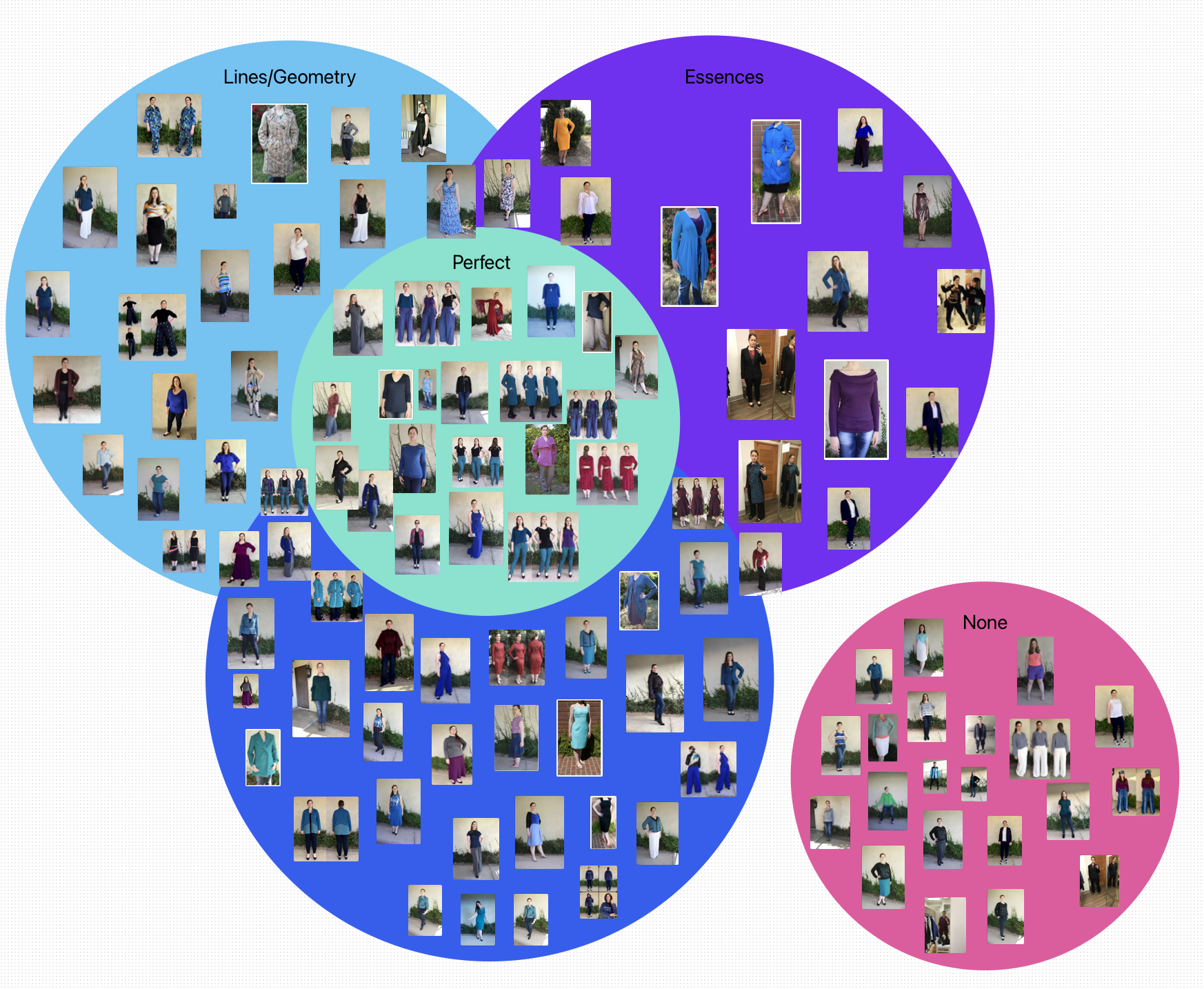
So, I think this graph is actually really accurate in terms of “use”. All of the tops and pants in the “Perfect” category were worn a ton, as were the coats and jackets. The more casual dresses also saw a lot more wear than I usually do for a dress, though of course the fancier gowns had limited application in my real life. The garments that are in the individual category circles have a much more mixed result in terms of use. They are all lacking something; in some cases it was enough to make me not want to wear it, in other cases having at least some of the style elements was enough for me to reach for it on the regular. The outfits in the “None” category (which have none of the essence, line, or color elements I’m looking for) have actually seen pretty little use, for various reasons. Often they were the kind of looks I would put on and take off, though I was never really sure why. With hindsight being such as it is, I know a lot of things I didn’t wear because the garment was constricting, or scratchy, or just didn’t feel like it “went” with anything else I had at the time. There are a few exceptions there; I definitely wore my Kermit green hoodie a lot, but more out of necessity than a love for how it came across as “fashion.”
Ok, so, again because this post has taken so long to write, my original assessment was this: “Although it’s kind of a lot to consider, I think the key takeaways are that applying a Classic/Ethereal vibe on top of Soft Natural lines with a soft cool medium-deep color palette is probably a good direction to go for now. Where I really need to be careful is getting too wild with prints, too bold with colors, or too extreme with any of the essences because it makes everything feel like it’s out of balance. I want to focus on styles that create a more vertical line or have more drape and flow to them, and on some basics or staples that will really fit into this new style goal.” However, let’s put a pin in this because I’m definitely going to revisit it in my upcoming post on Kibbe’s new book, which I think needs some discussion before I really finalize what I’m thinking about in terms of style goals and wardrobe planning.
Anyway, before Kibbe’s new book came out I started working on some planning boards, based on the levels of dress framework I had written about back when I was doing the Sew Your Kibbe posts. Don’t worry about seeing the details of the patterns below; this is more about the process than the results right now. The basic idea was that I went through my patterns and added anything to the board that felt like it could be classified as an Etherial Classic blend. I then moved things into the three levels of dress if I could envision wearing them in my real life, or left them in the aspirational section if they felt like they wouldn’t be something I’d be super interested in wearing in the near future.
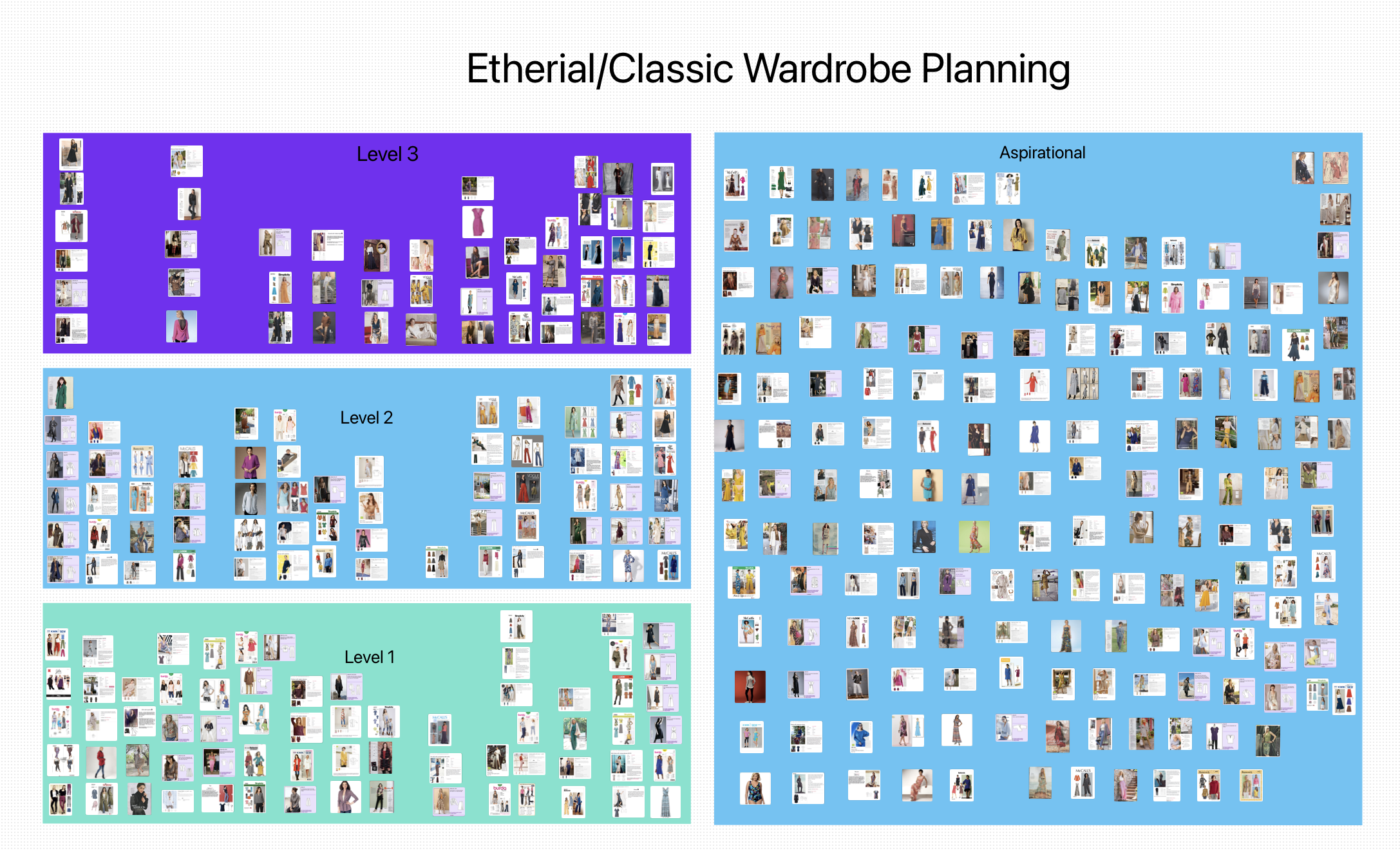
From the Three levels, I then made a second board to re-classify based on the events I do in my daily life. Anything that didn’t really fit also got cut from the list to help streamline my selections:
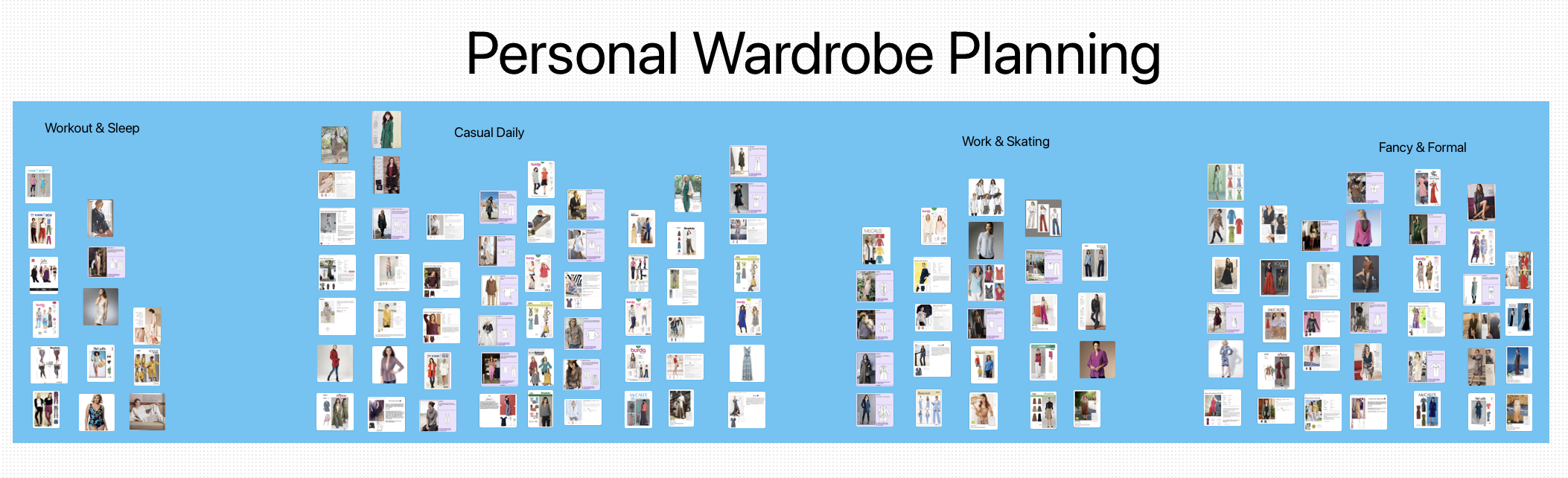
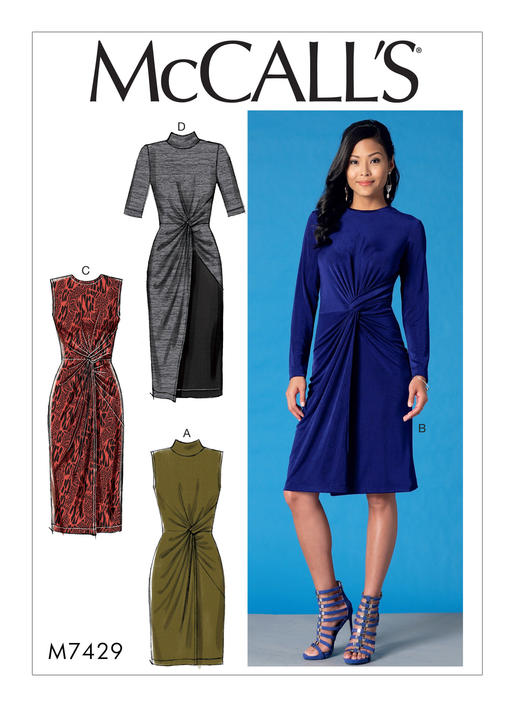
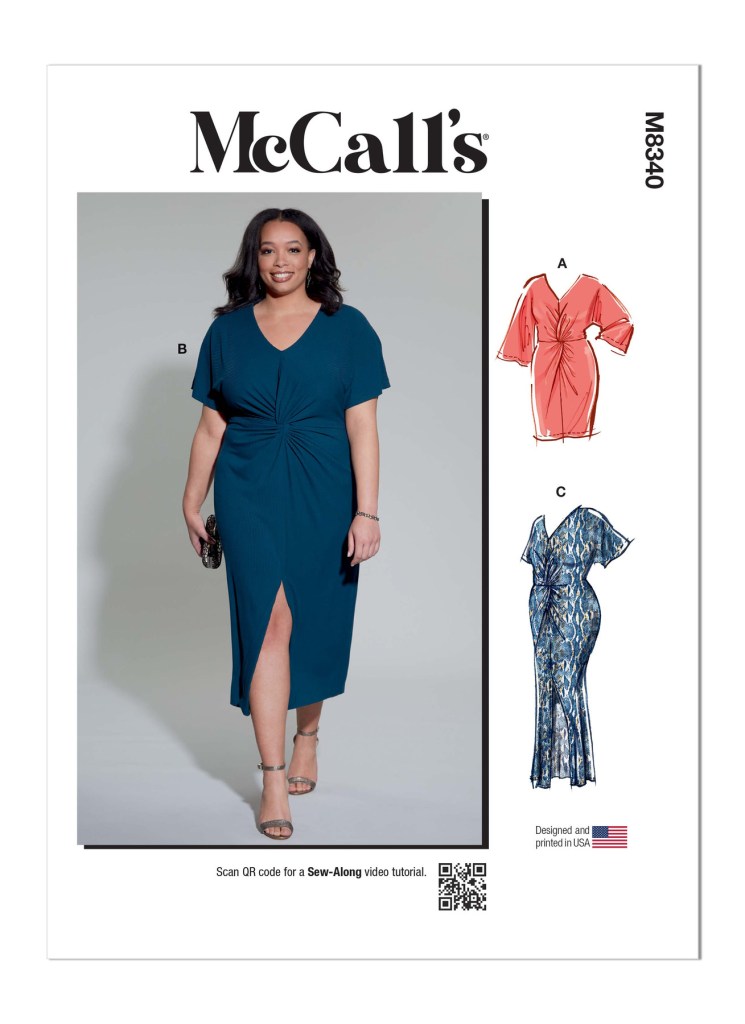
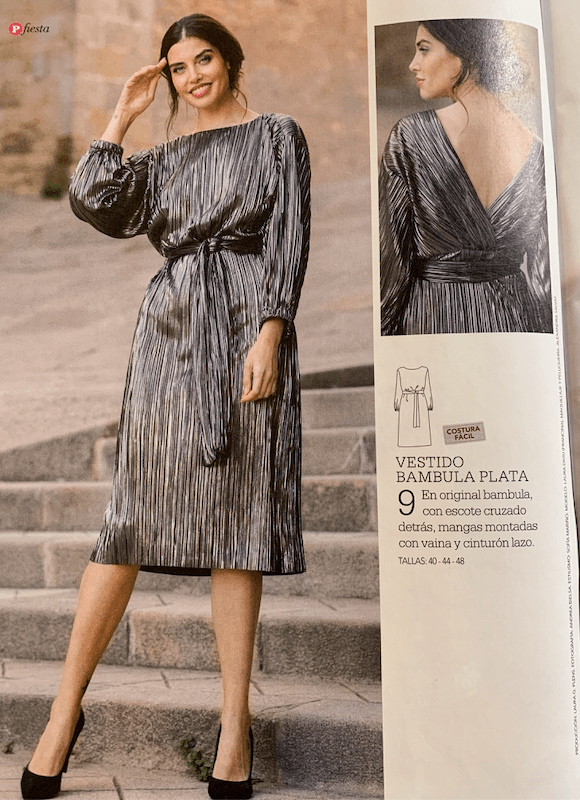
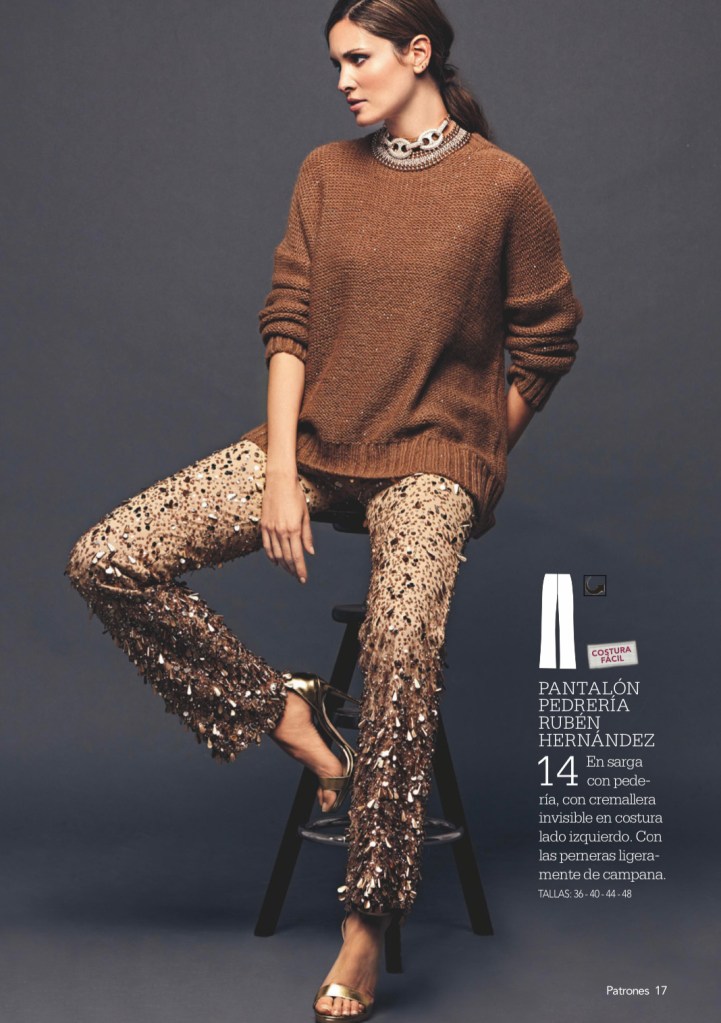
Basically there are four categories of what kinds of outfits I need: workout/sleep (functional), casual/daily, work/professional, and fancy/formal. I haven’t really narrowed things down to an actual sewing plan yet, but here are some collages of the patterns I’ve picked to give an overall impression of what I’m going for:
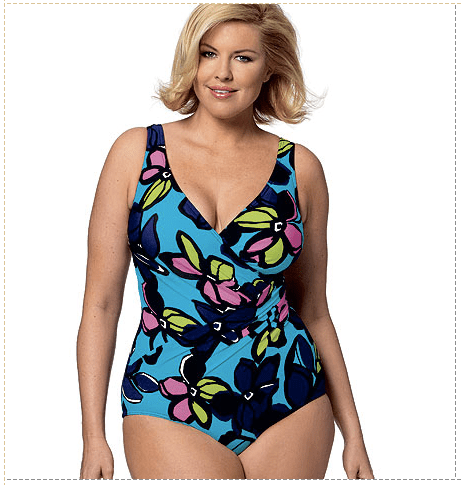
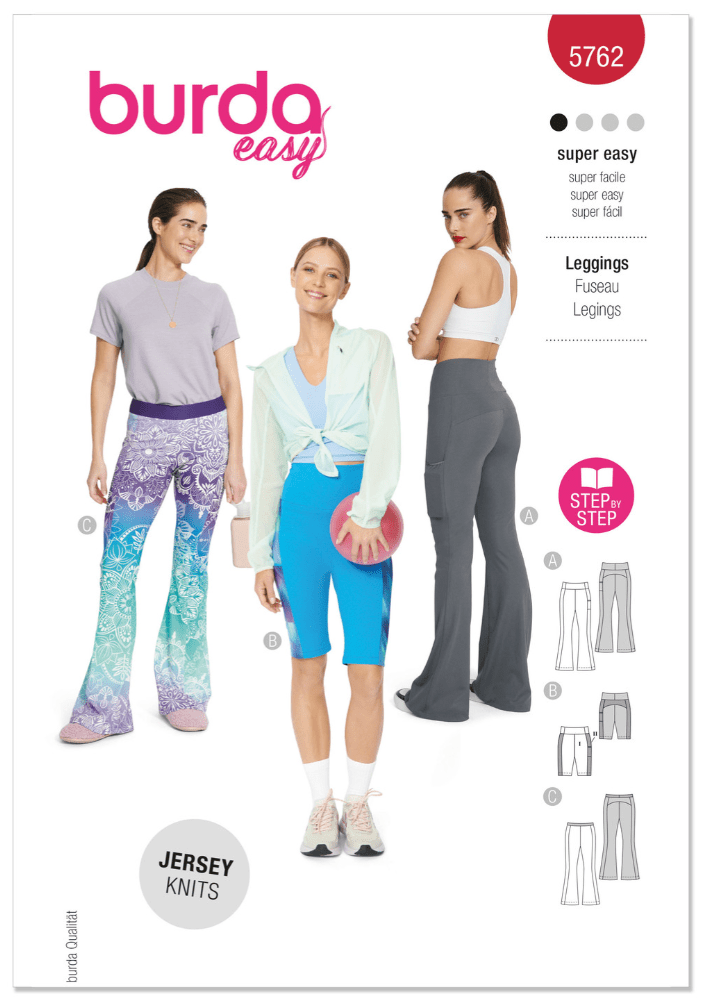
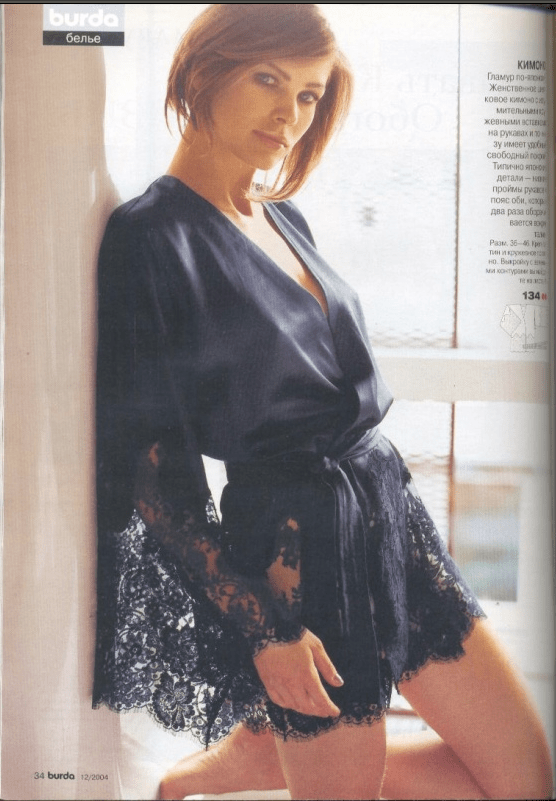
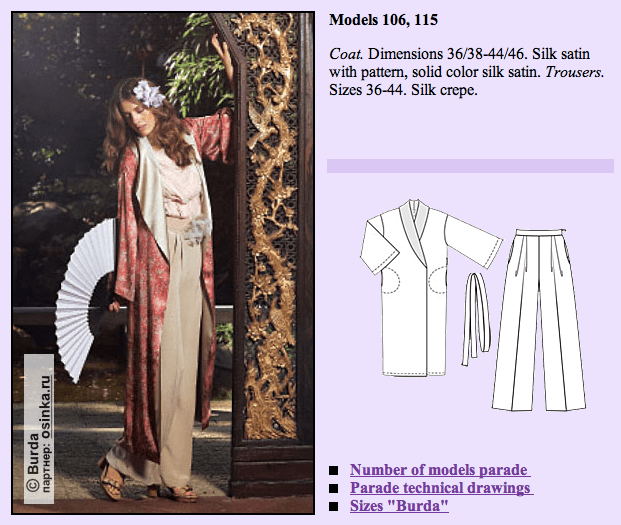
The Workout/Sleep category is more about function than form, but there’s a bit of the Etherial-Classic essence coming through:
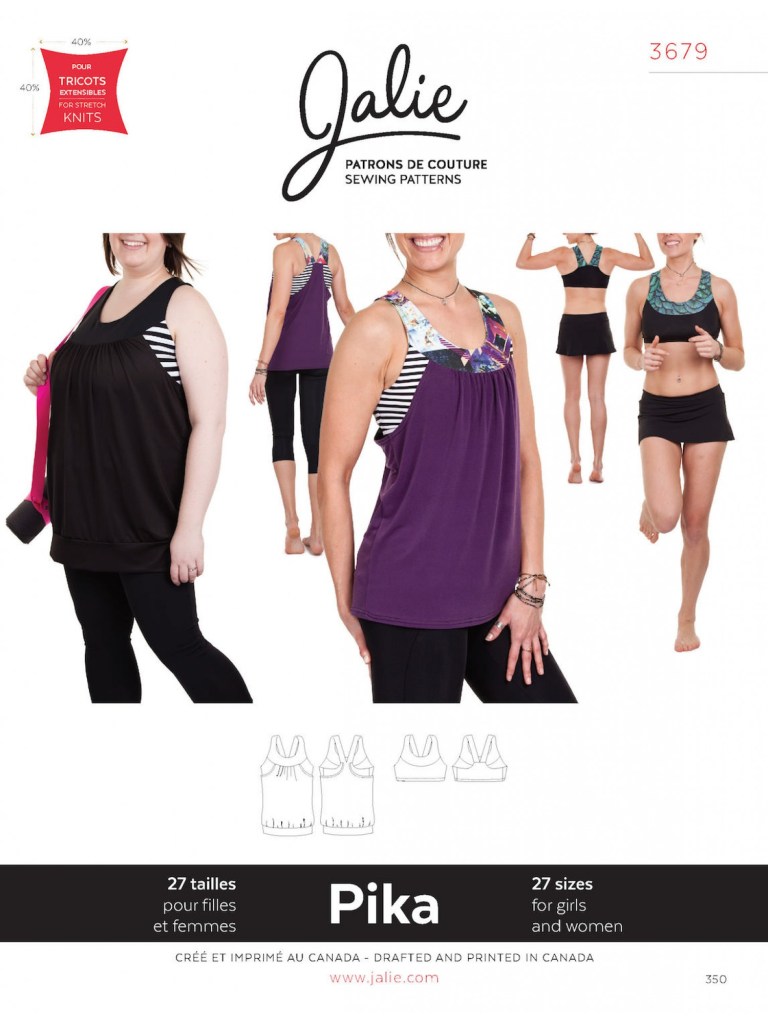
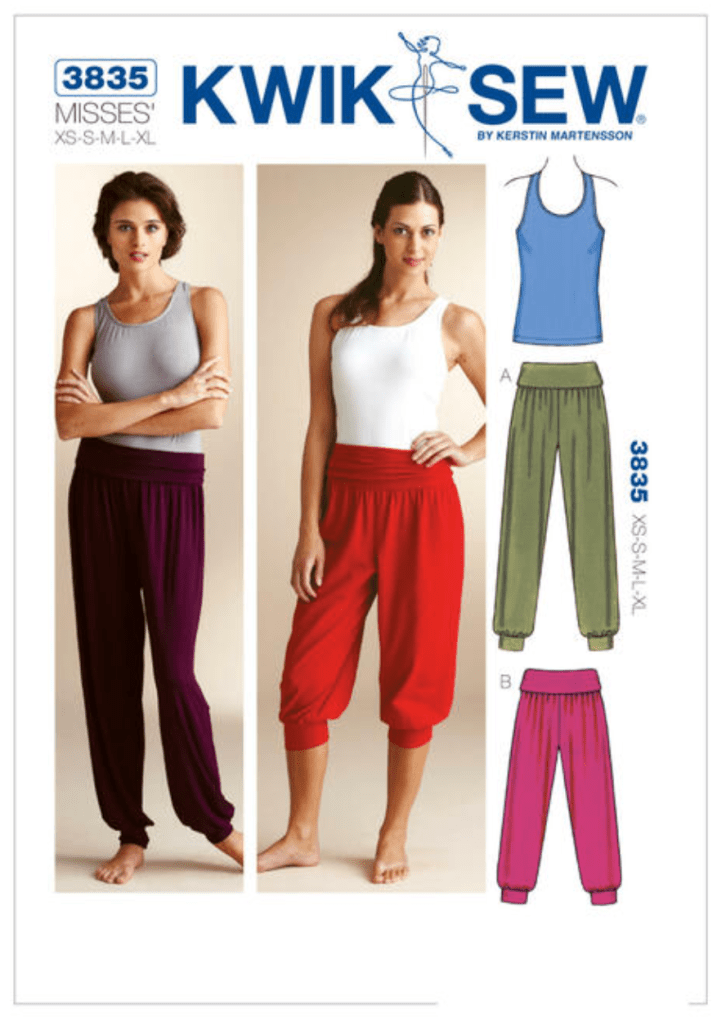
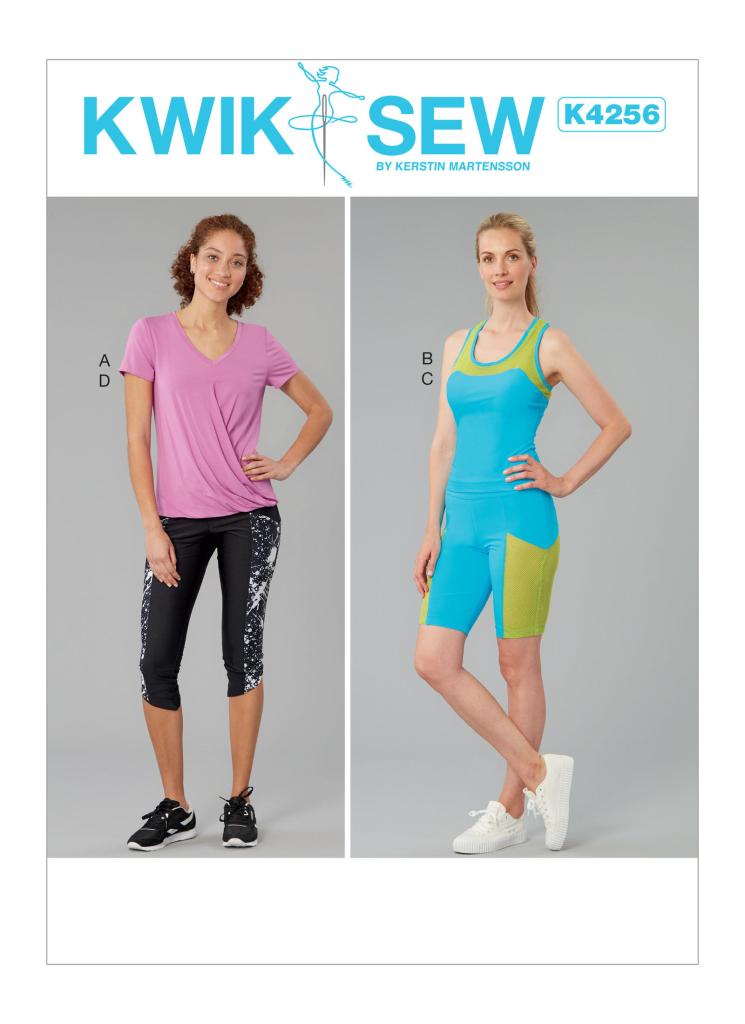
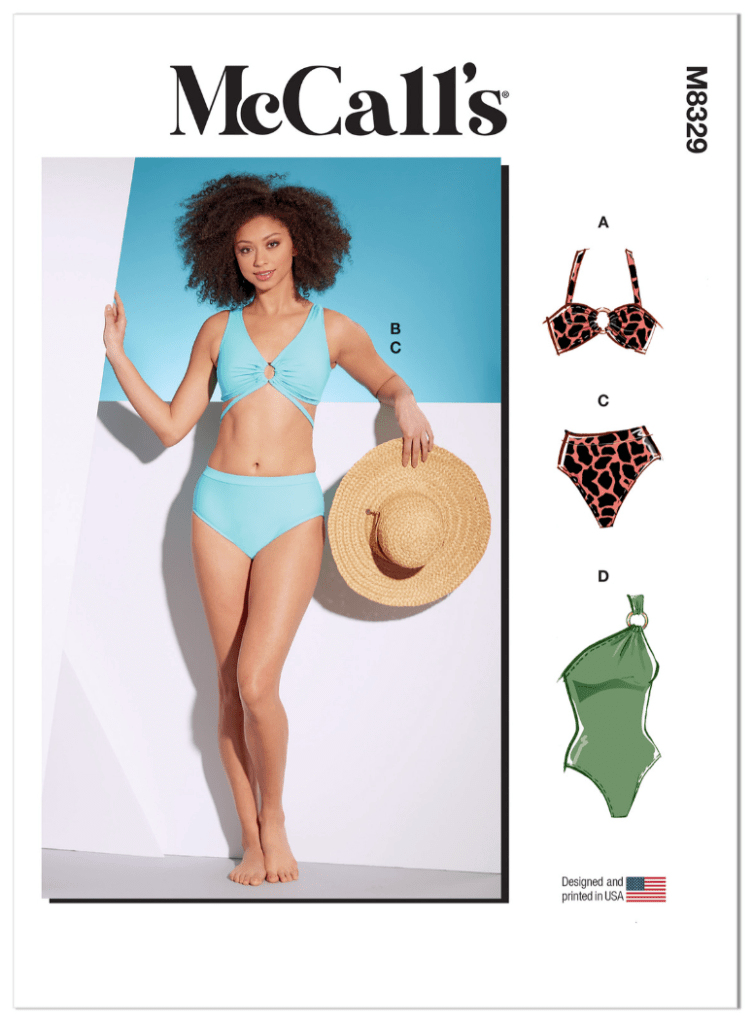
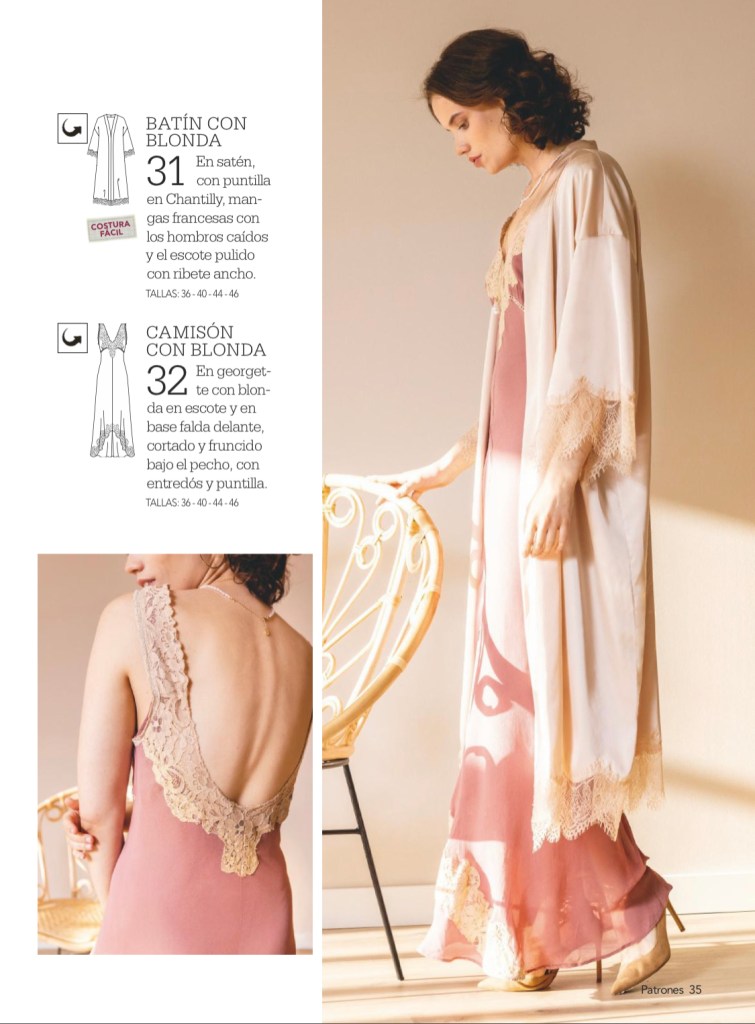
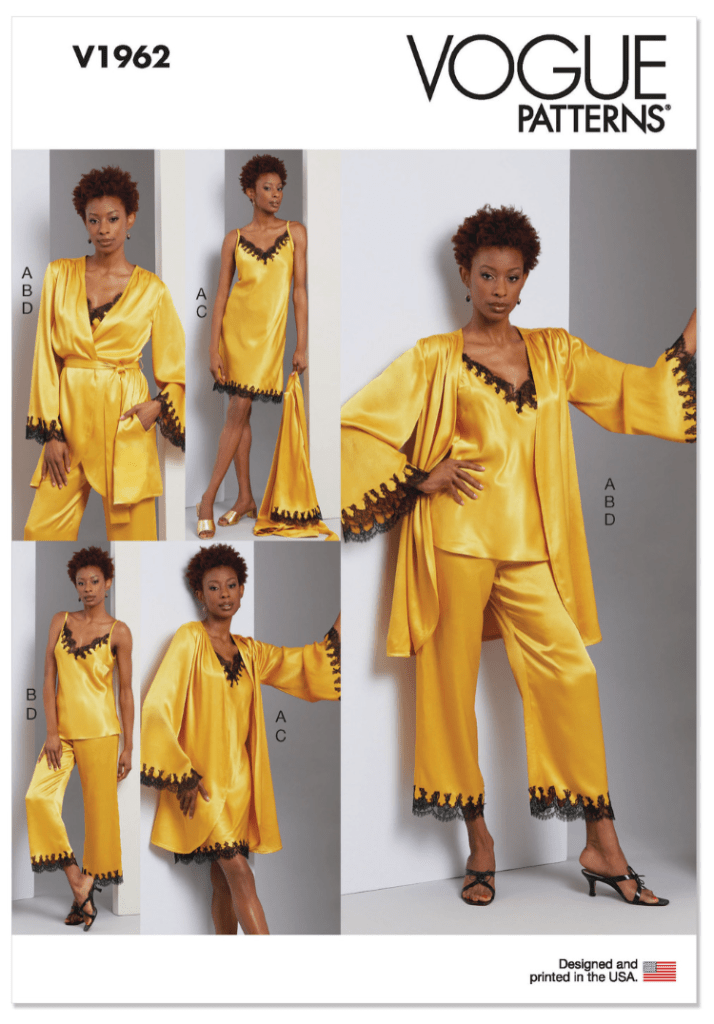
The casual/daily category is the largest, which makes the most sense because this is what I would be wearing most often on a typical day:
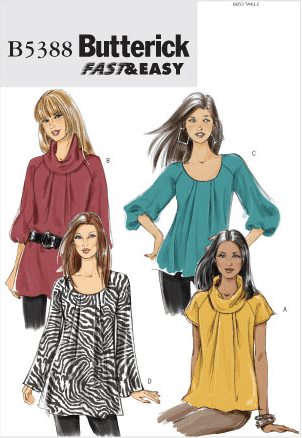
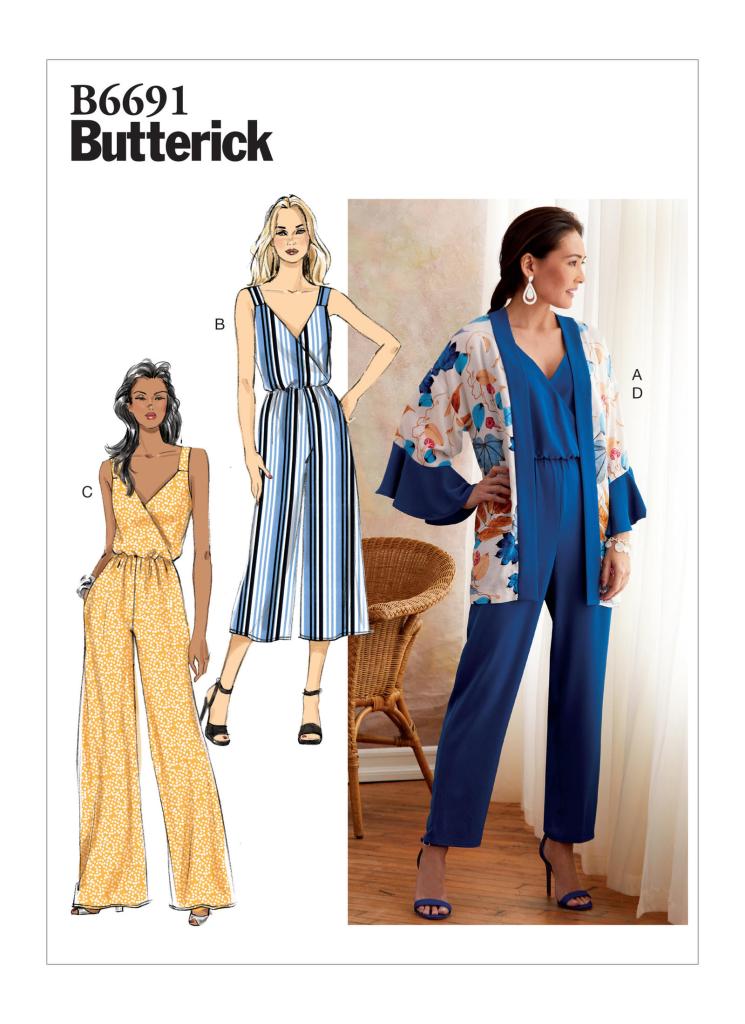

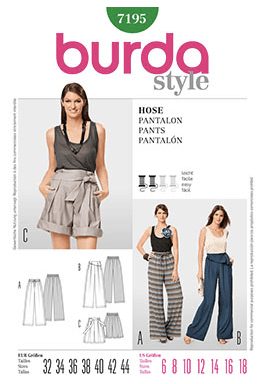
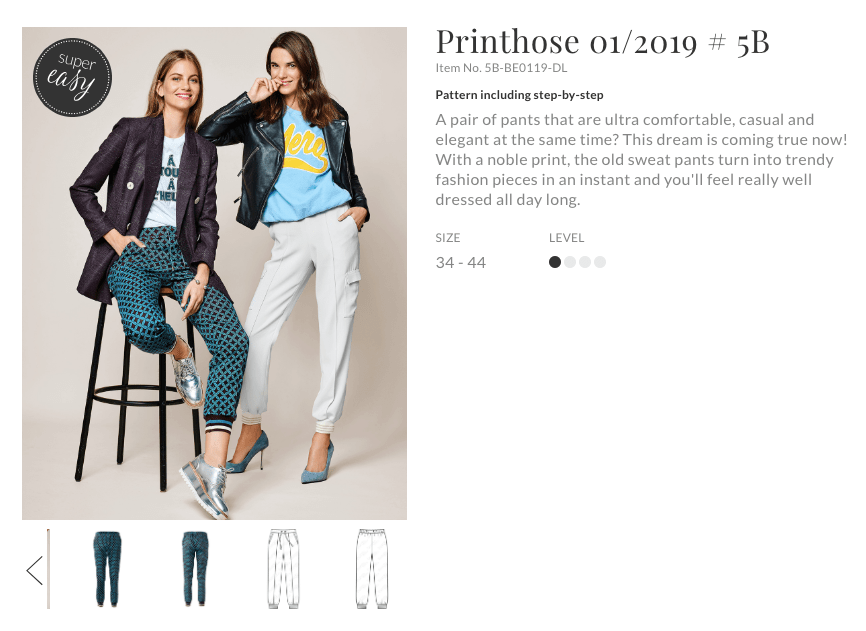
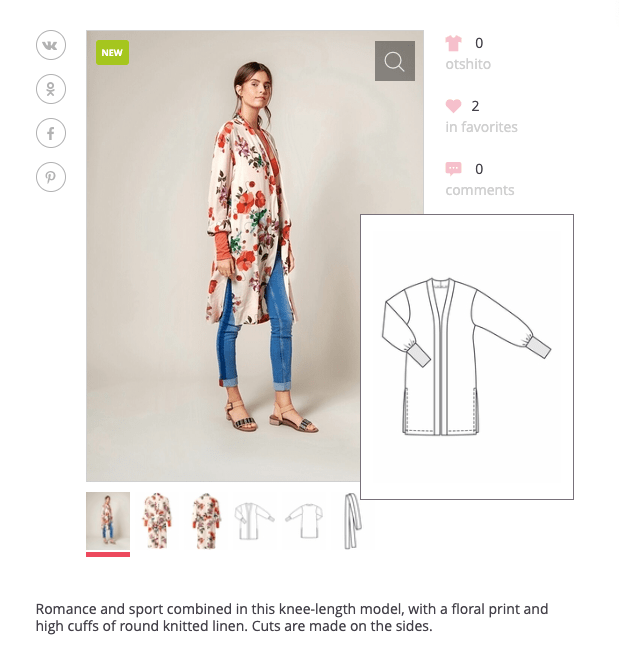
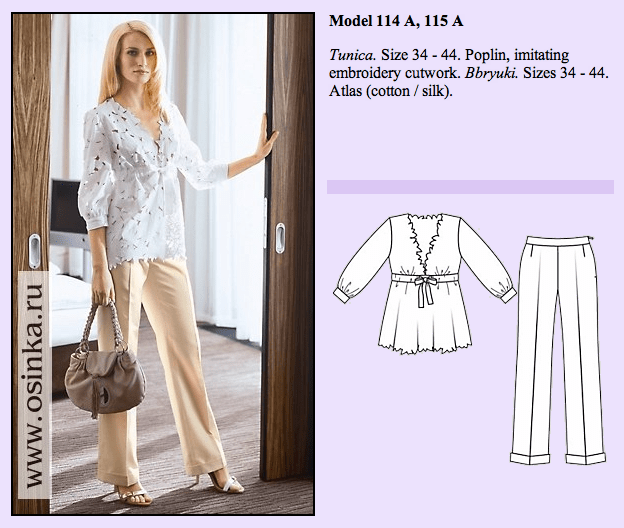
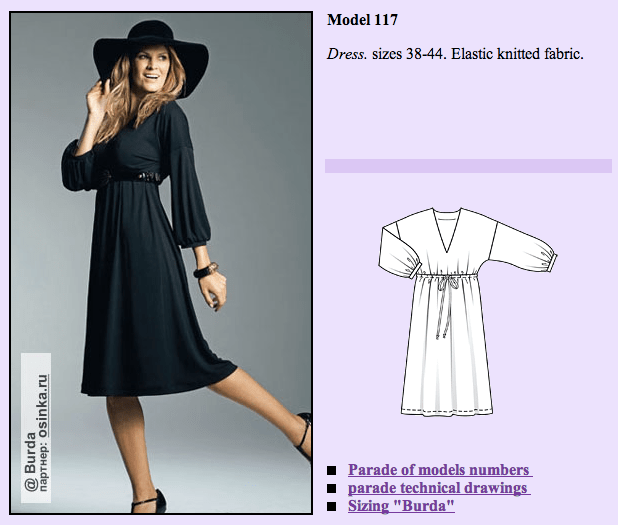
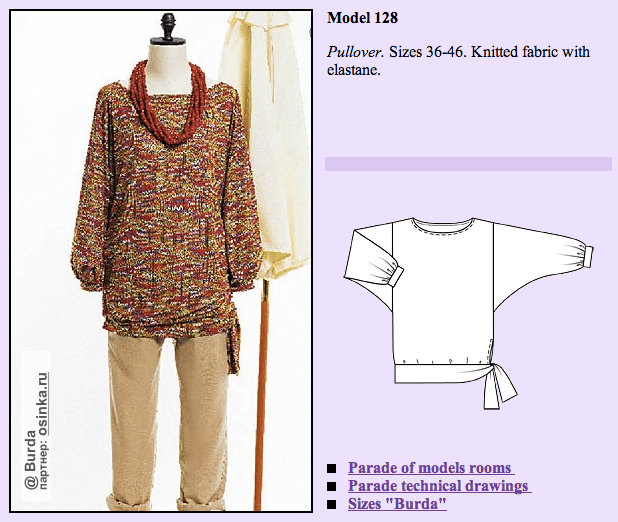
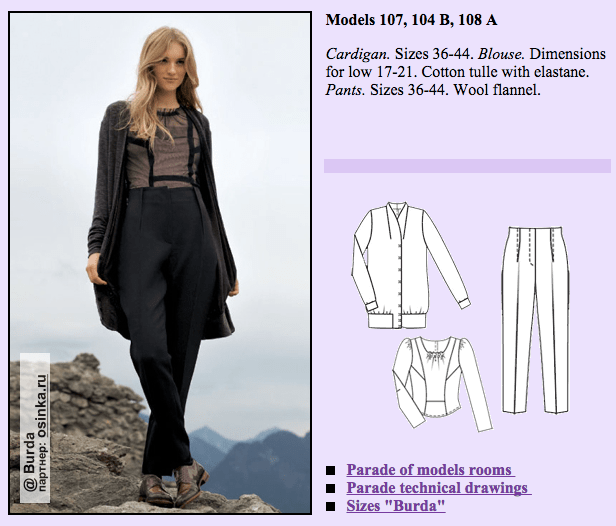
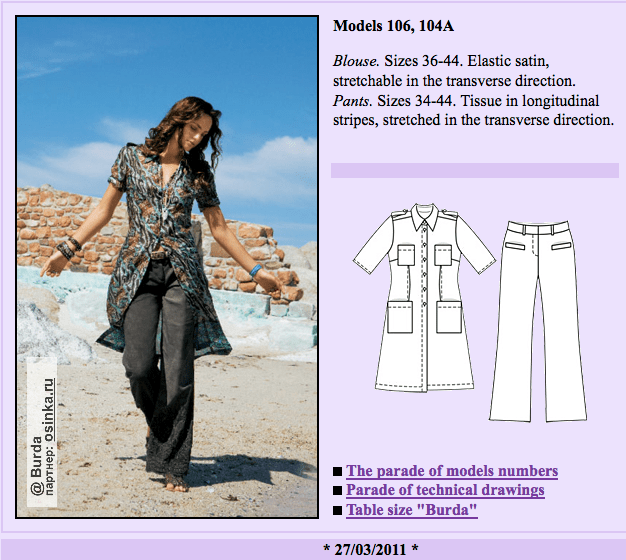
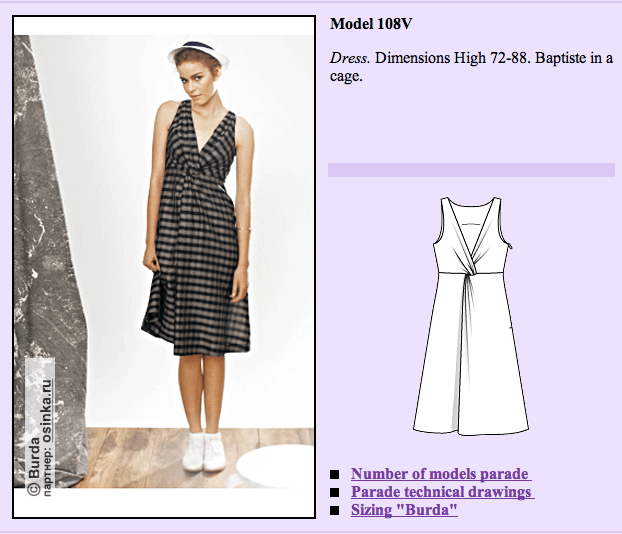
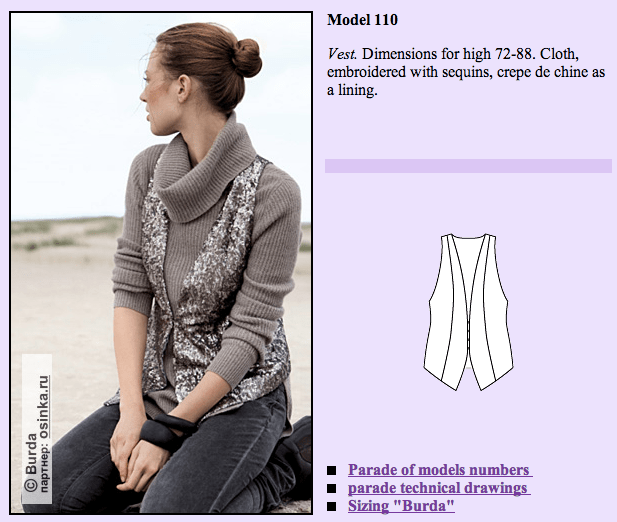
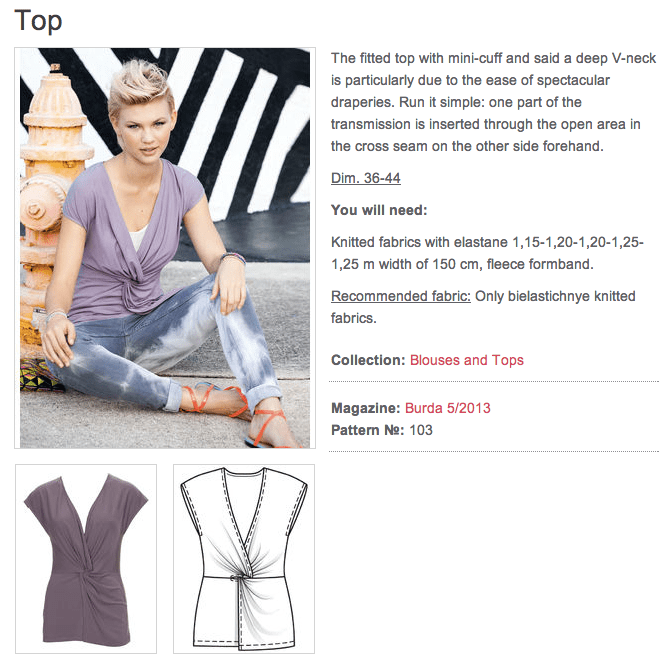
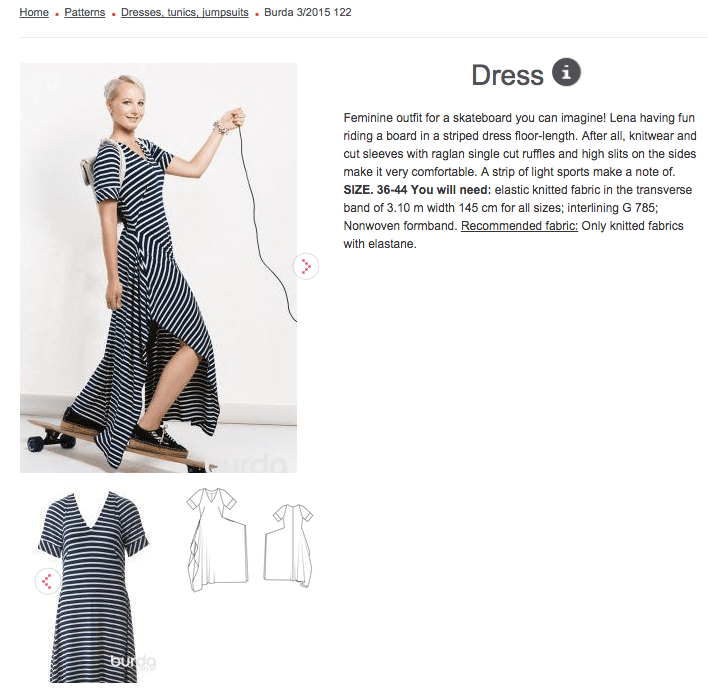
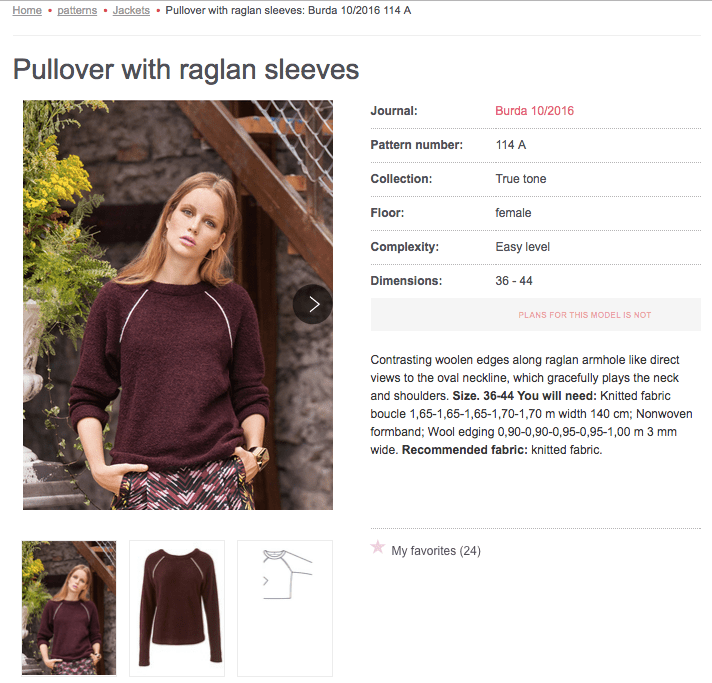
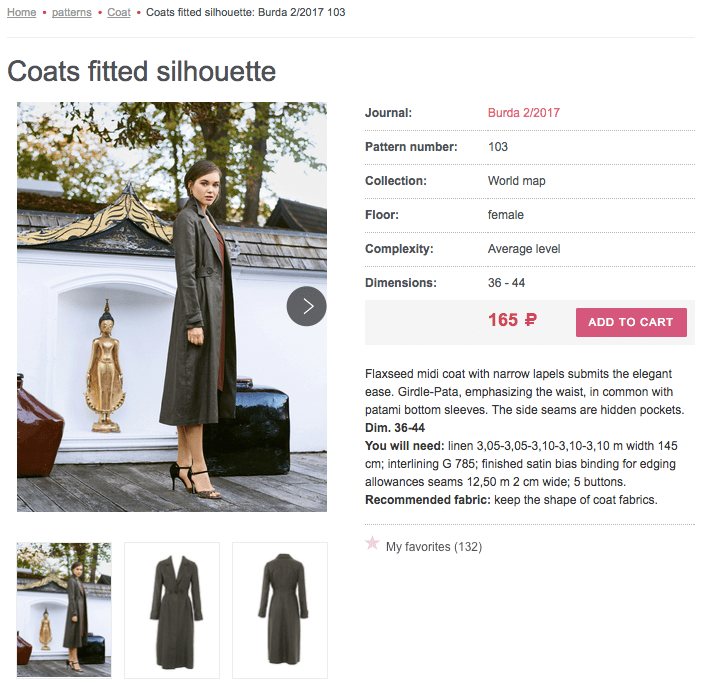
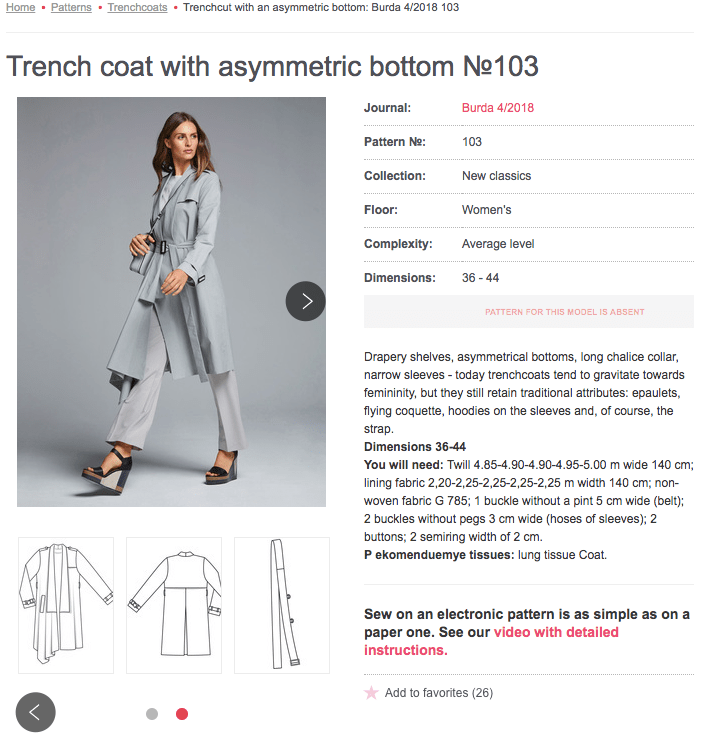
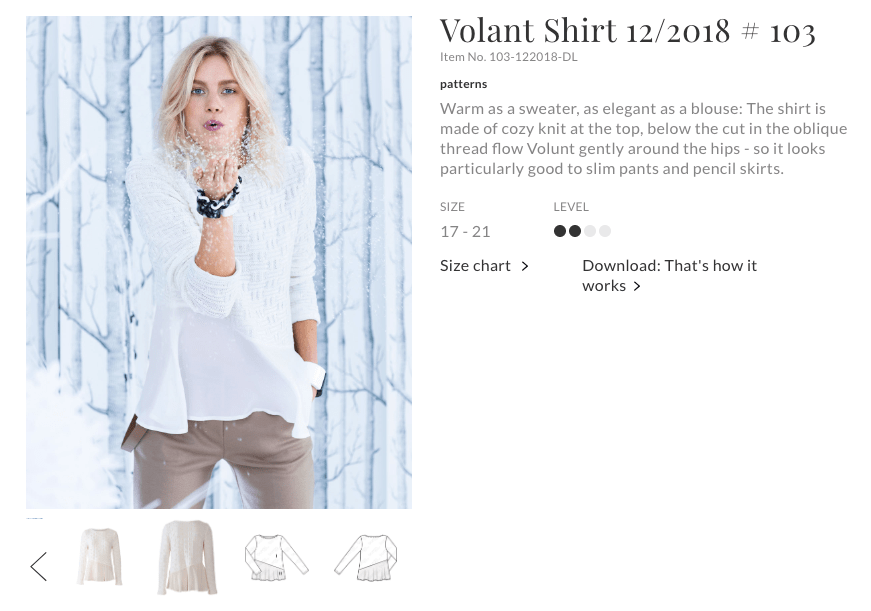
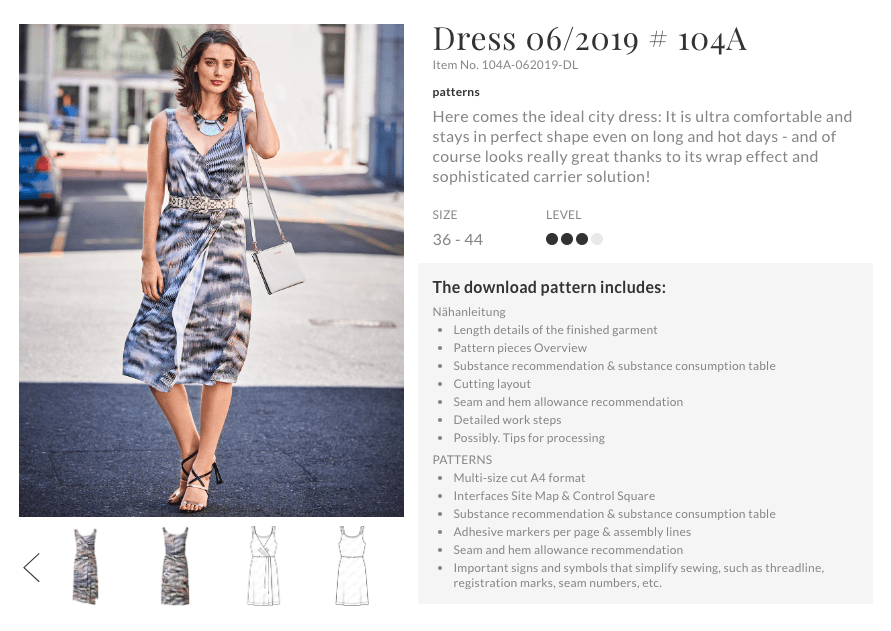
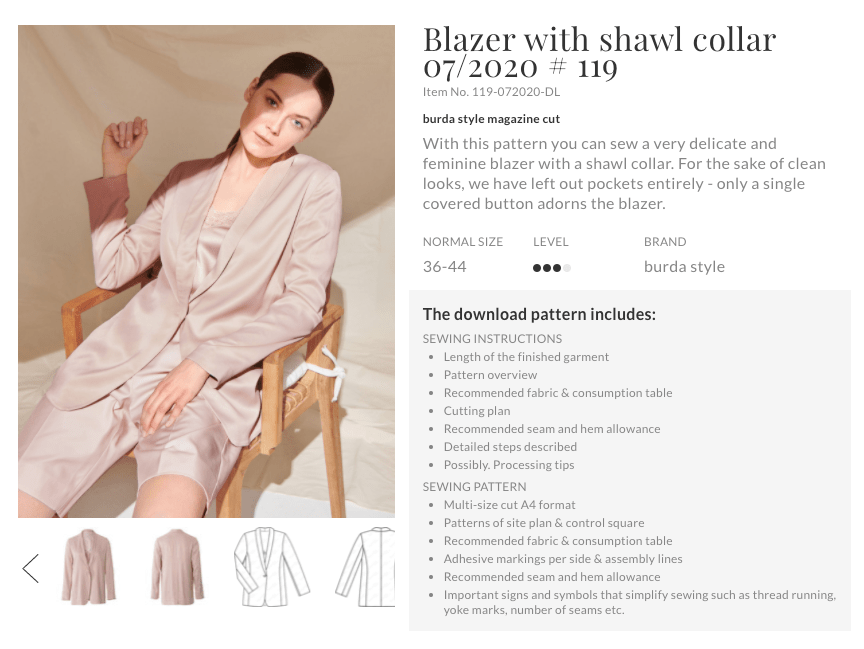
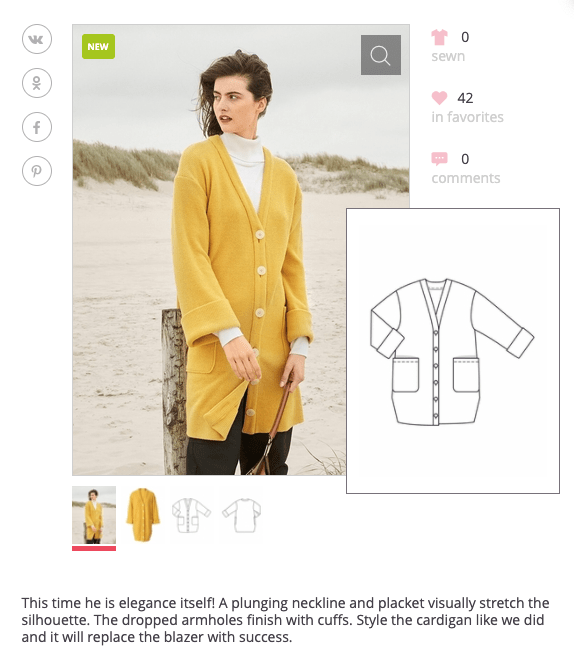
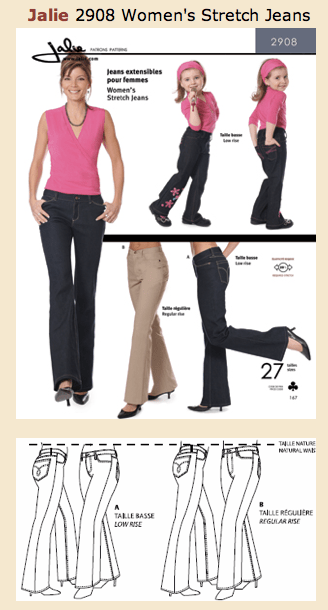
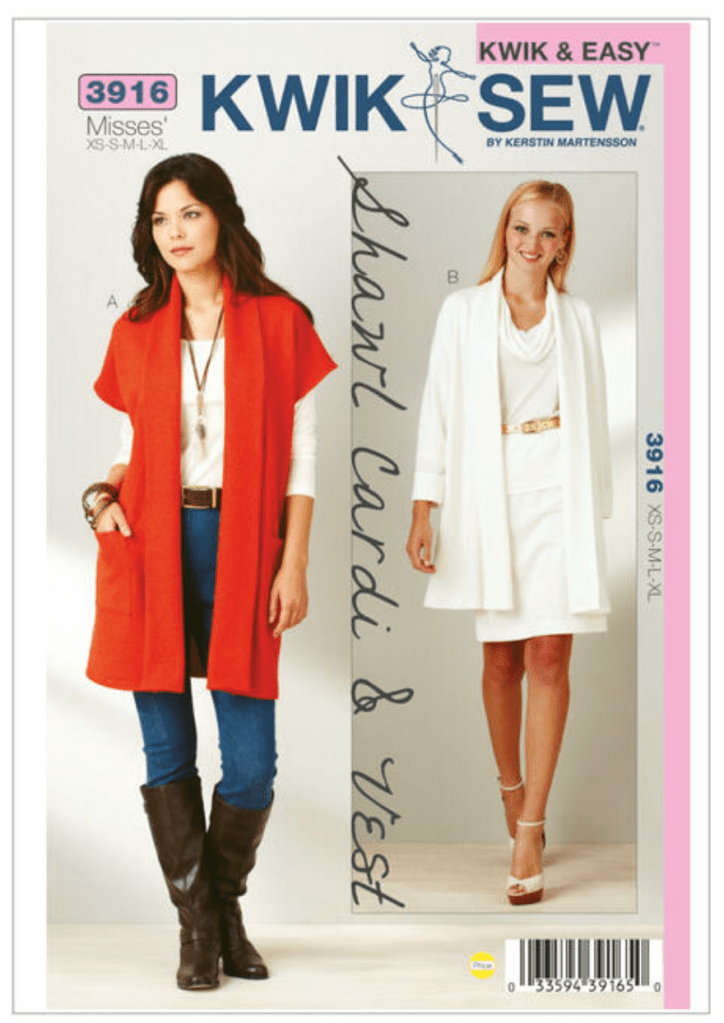
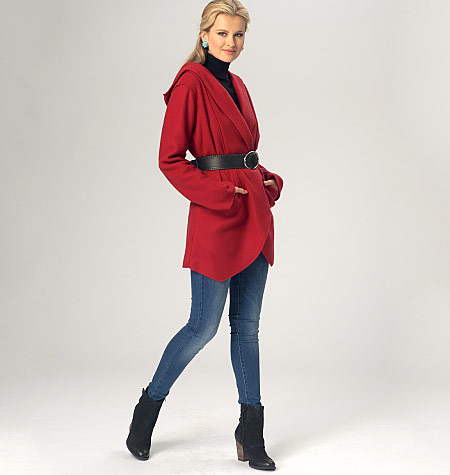
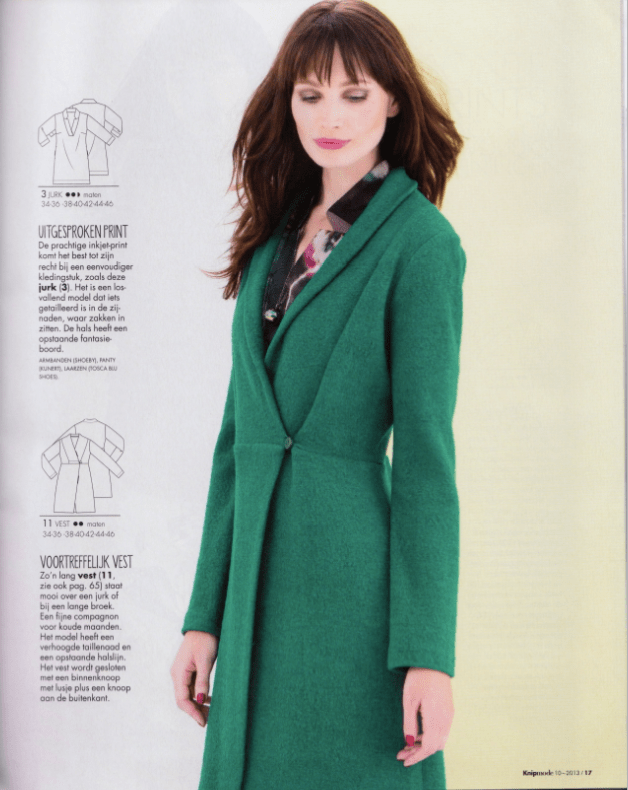
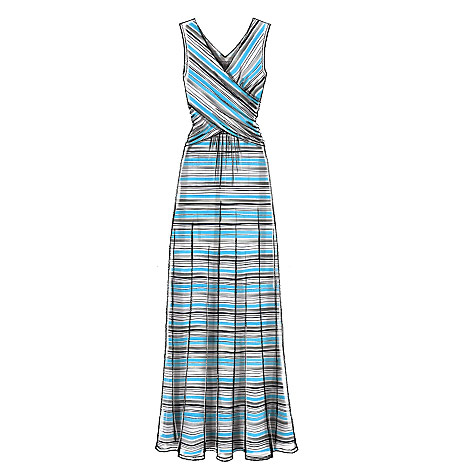
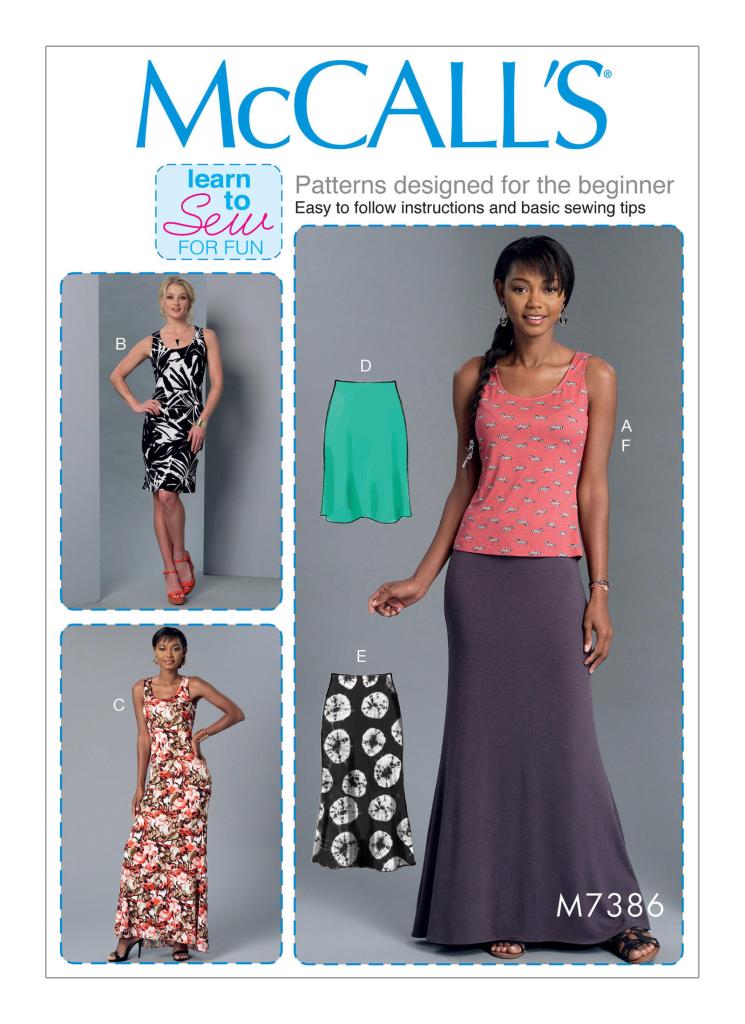
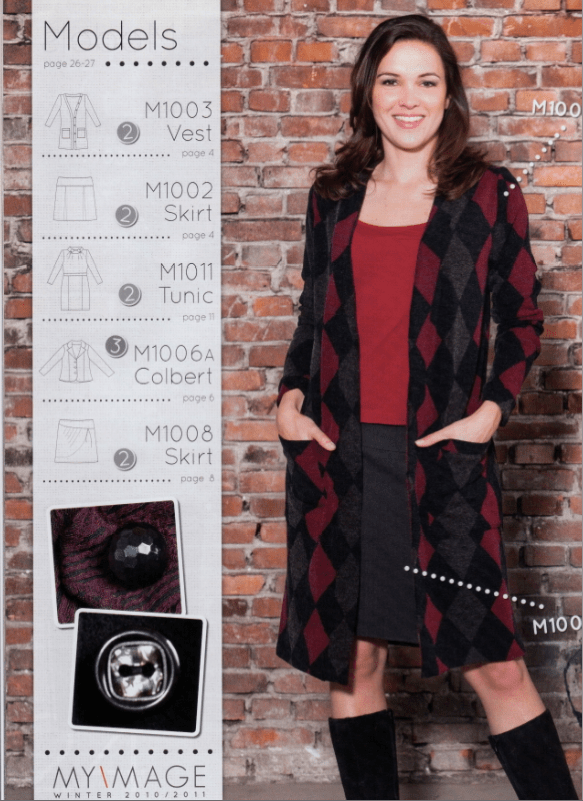
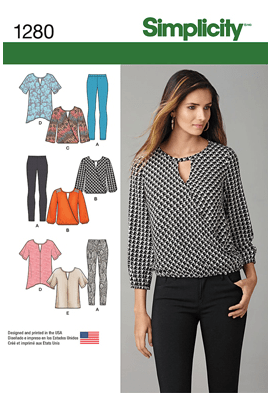
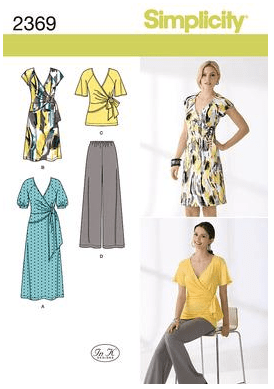
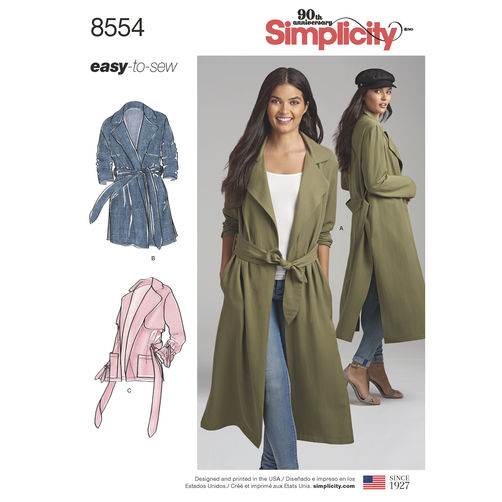
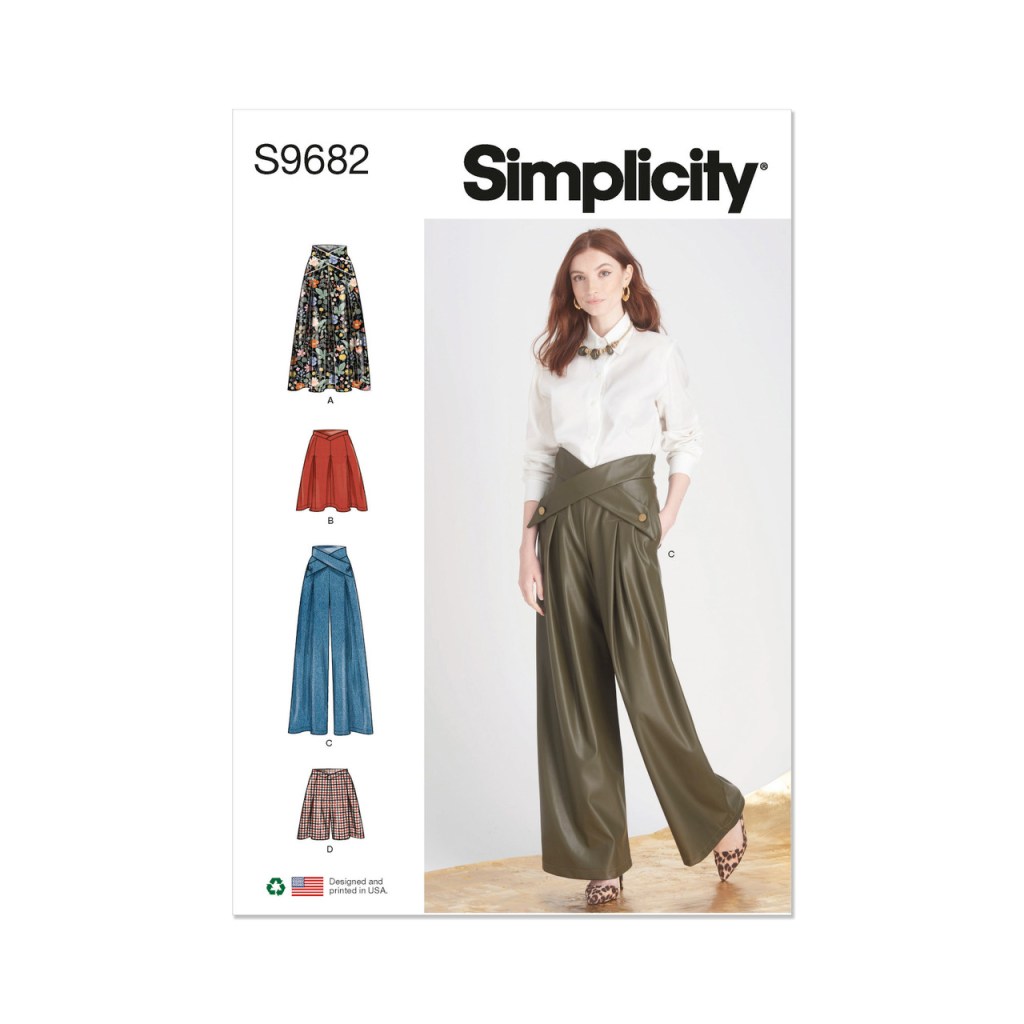
The work/professional category is also fairly robust, but would also see a lot of use:
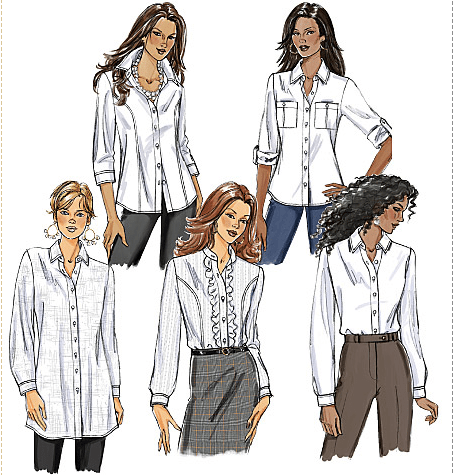
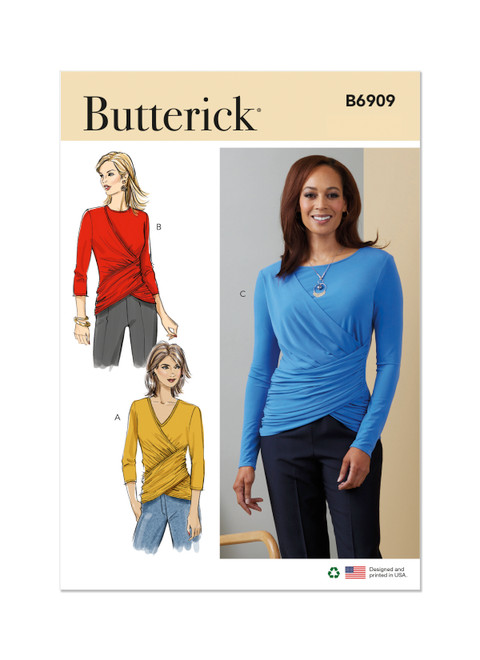
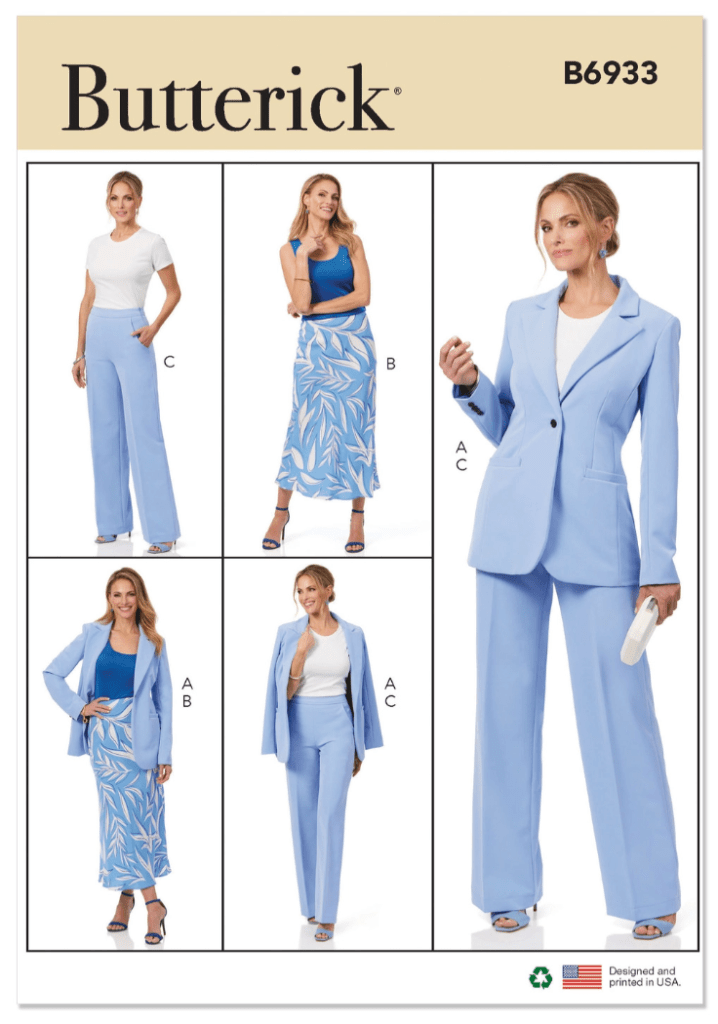
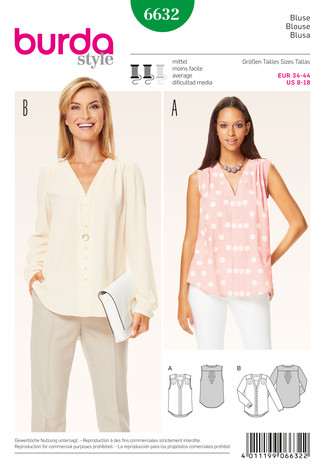

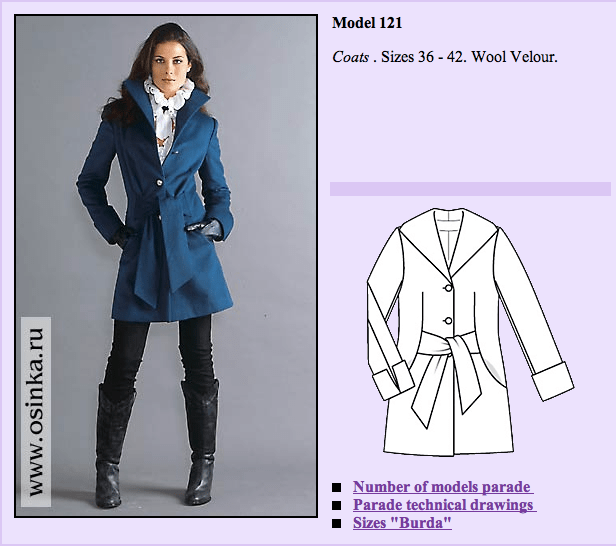
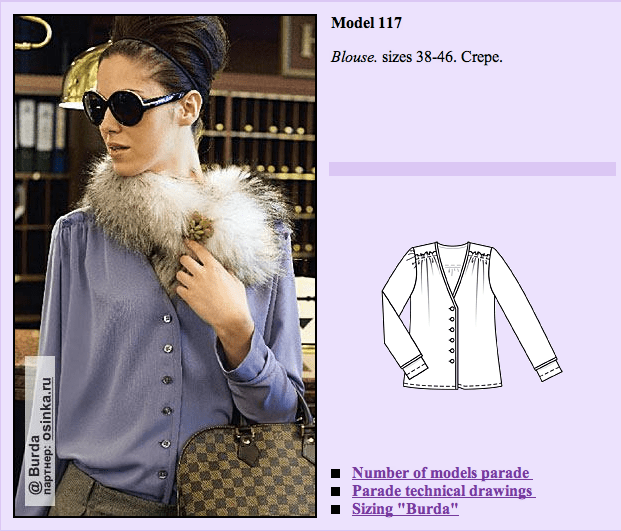
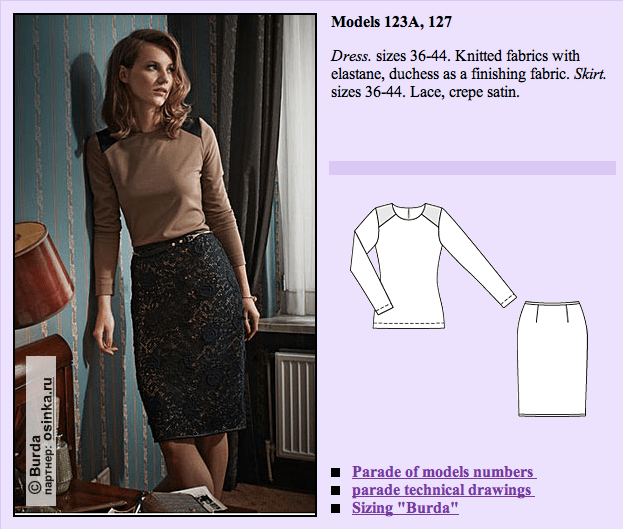
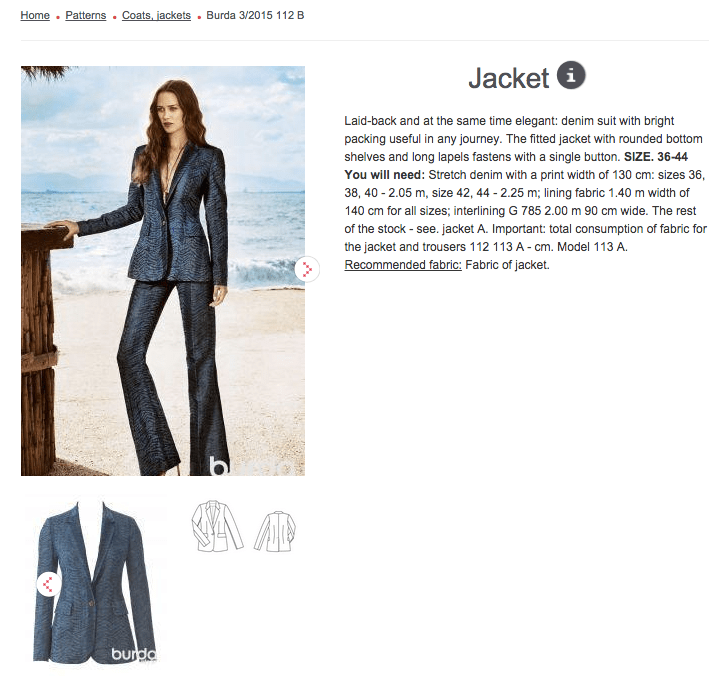
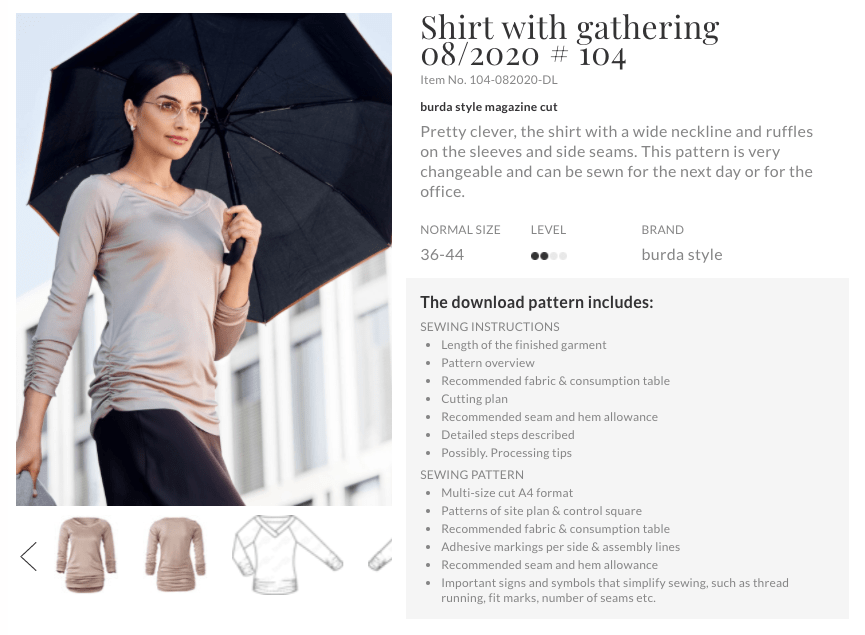
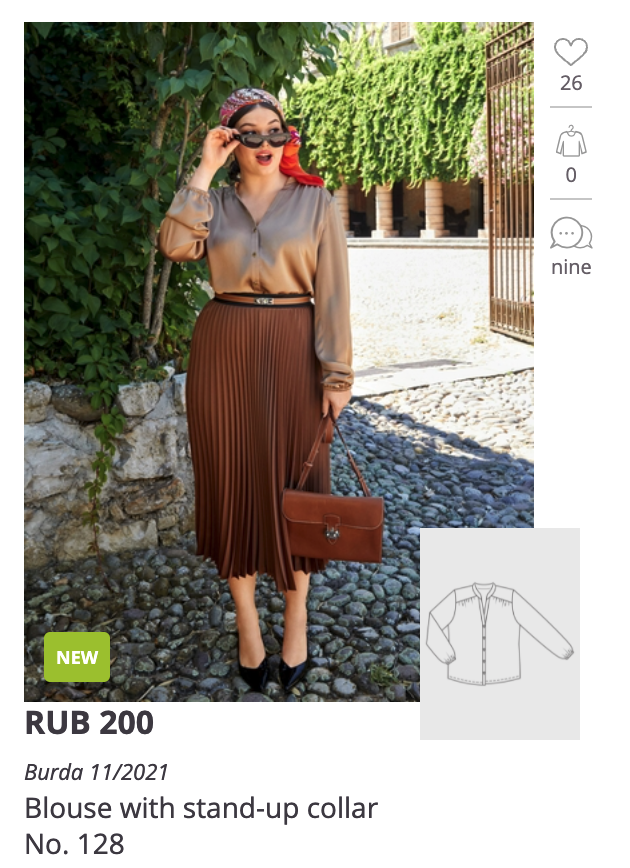
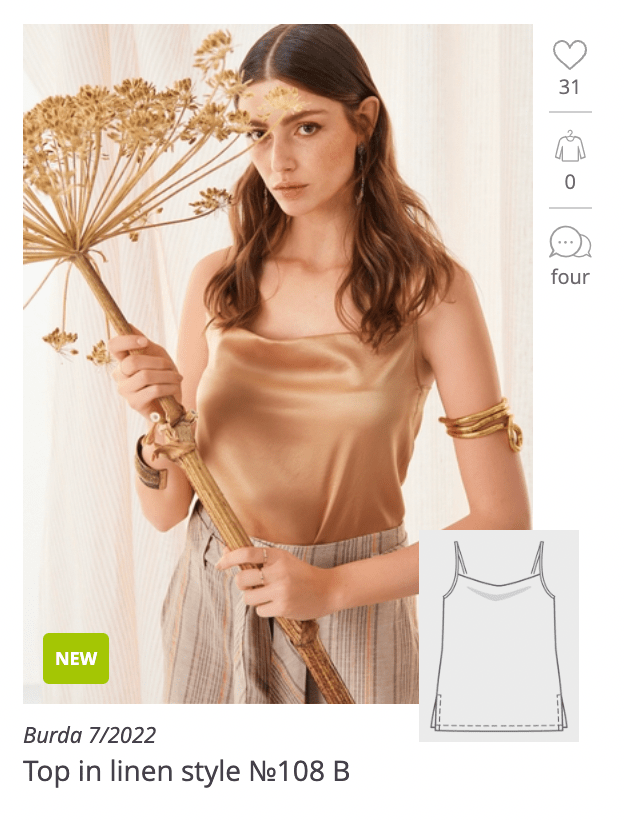
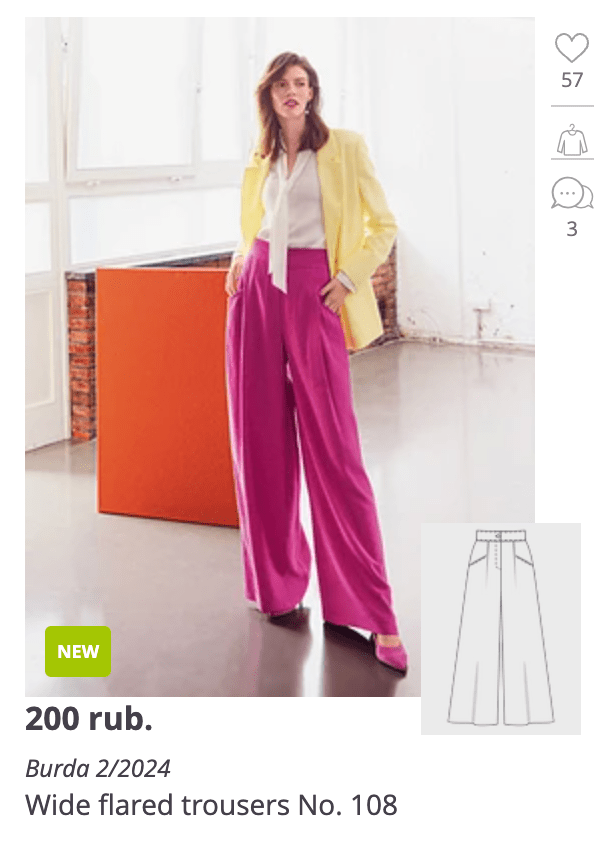
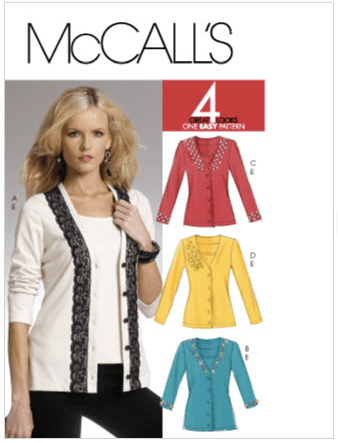
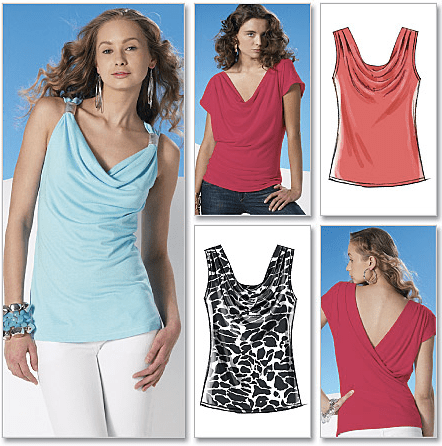
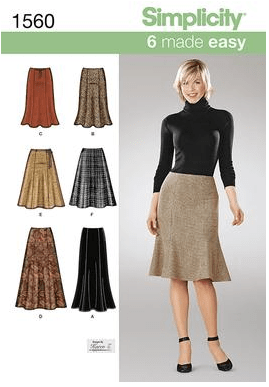
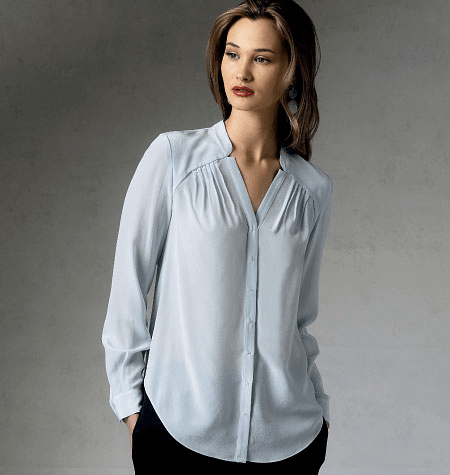
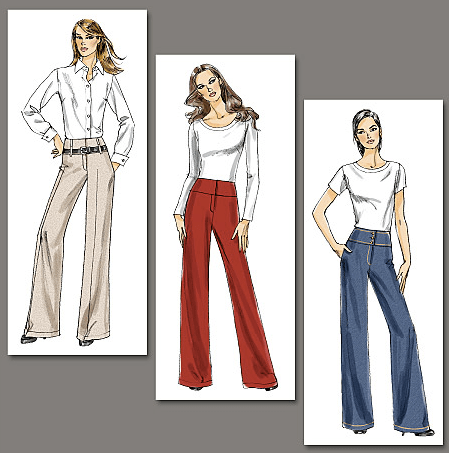
And finally the fancy/formal category is far too full for the amount of formal events in my daily life, but there’s lots of eye candy here that we can enjoy:
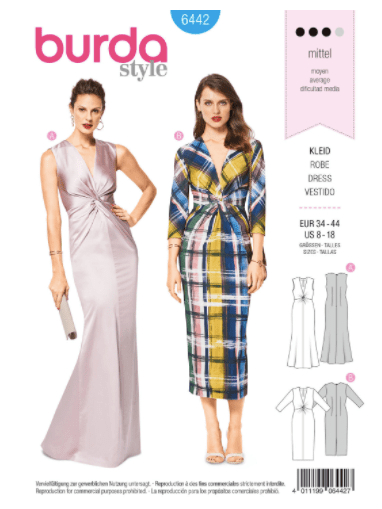
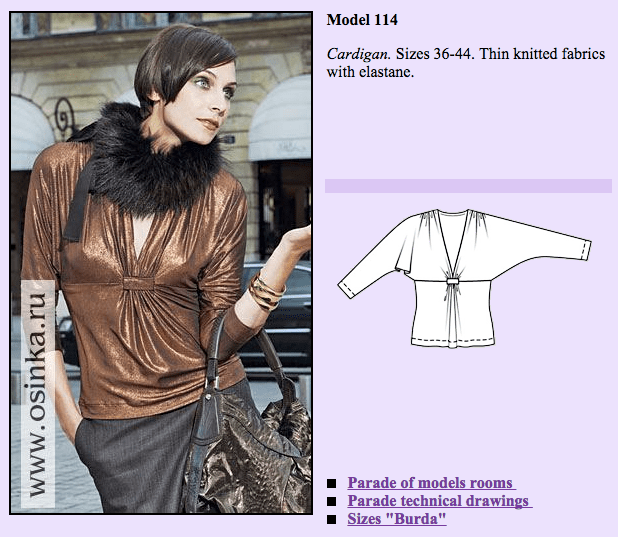
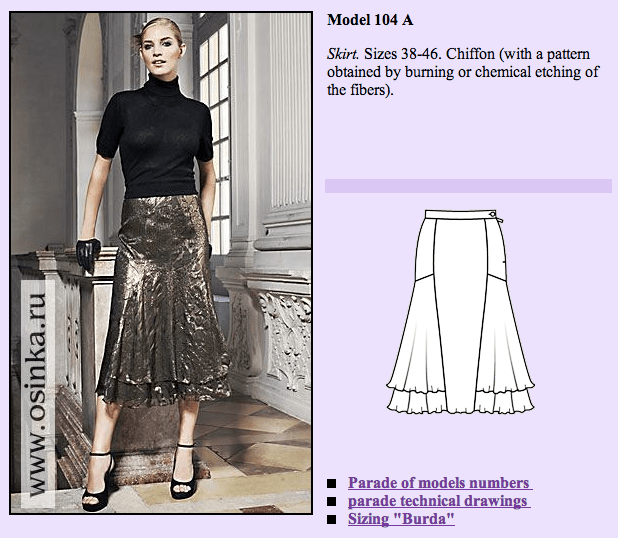
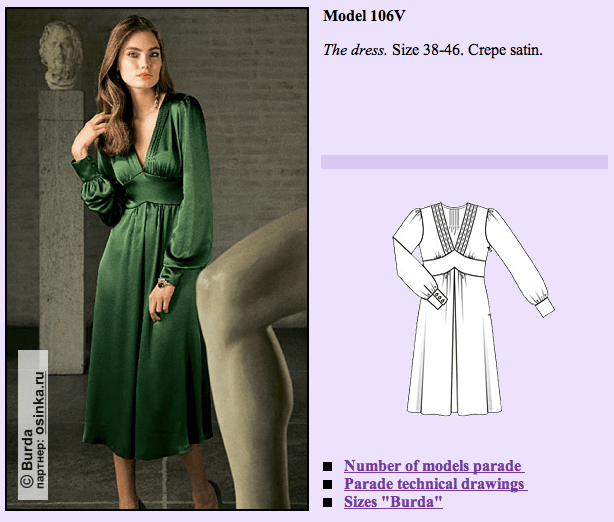
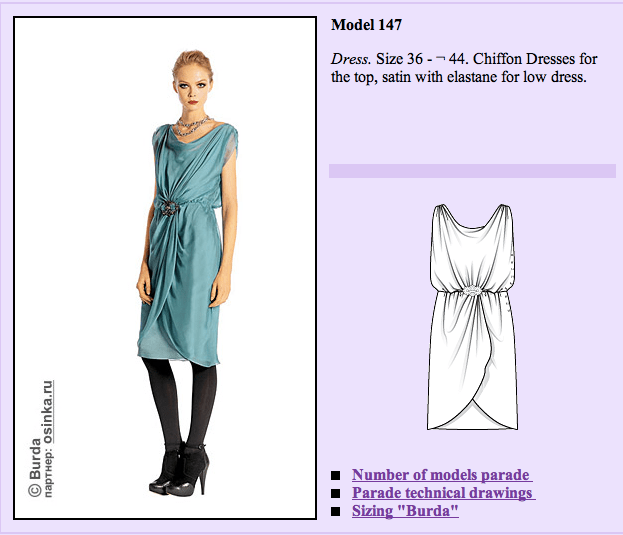
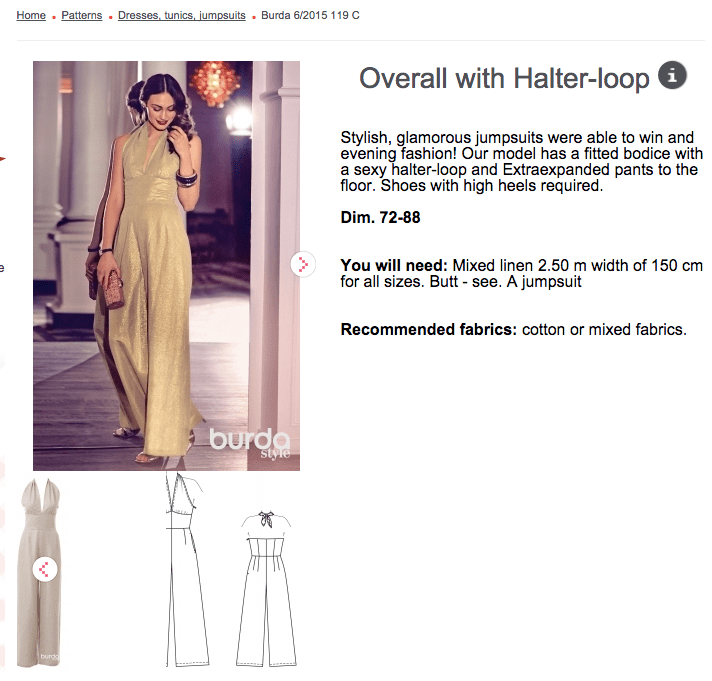
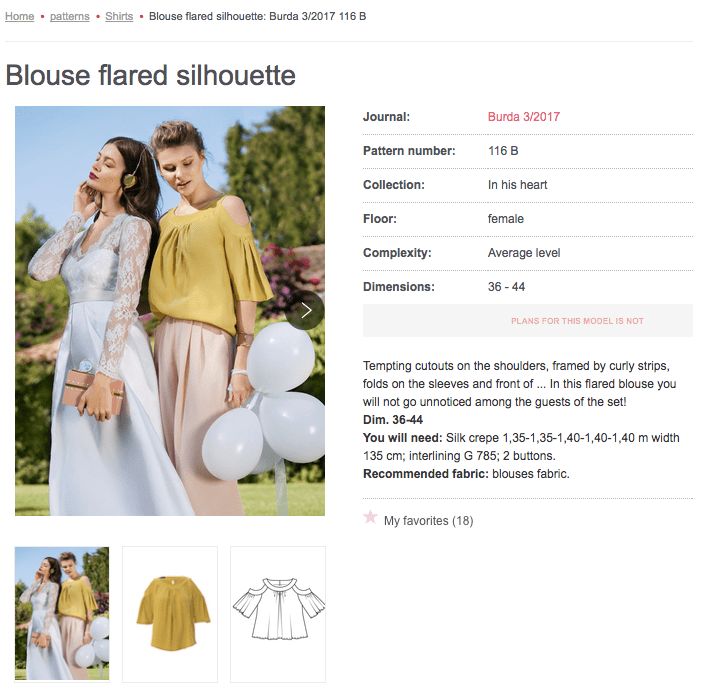
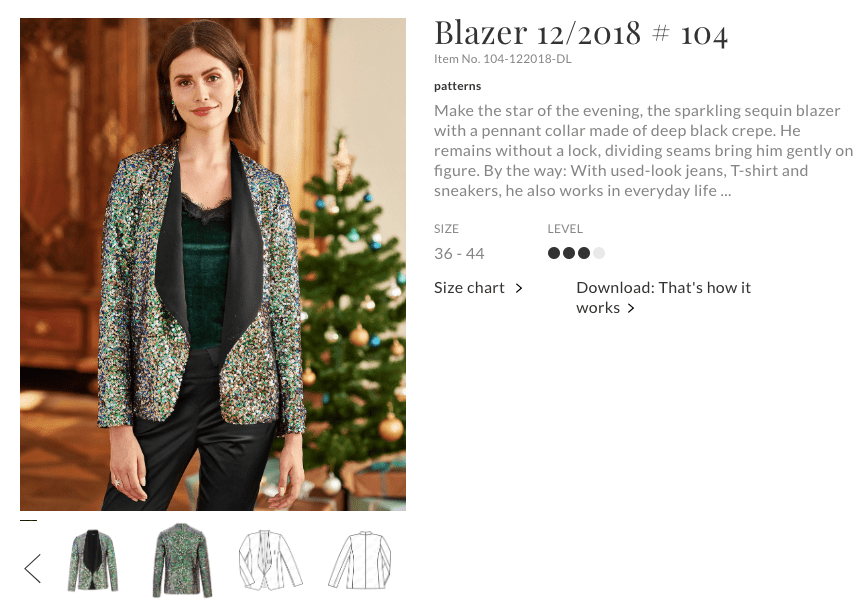
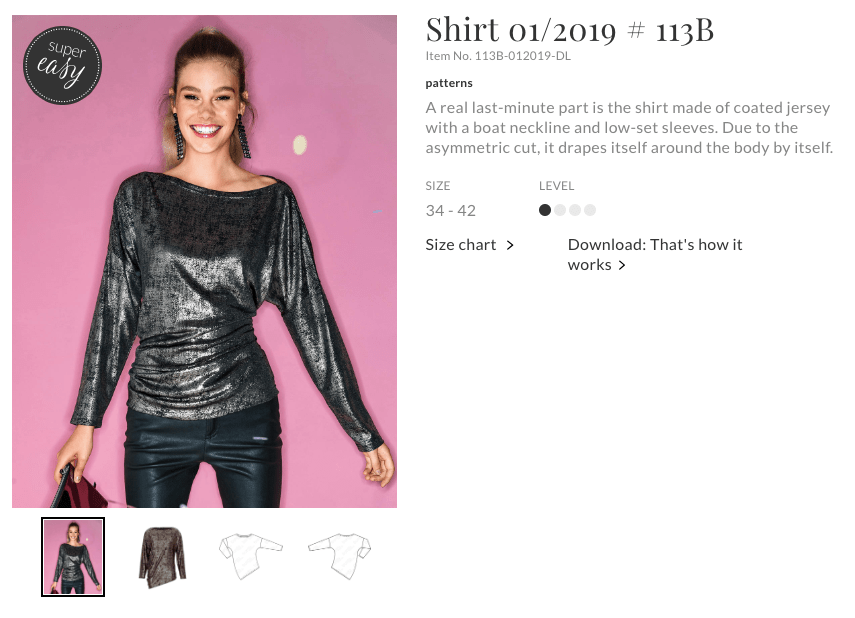
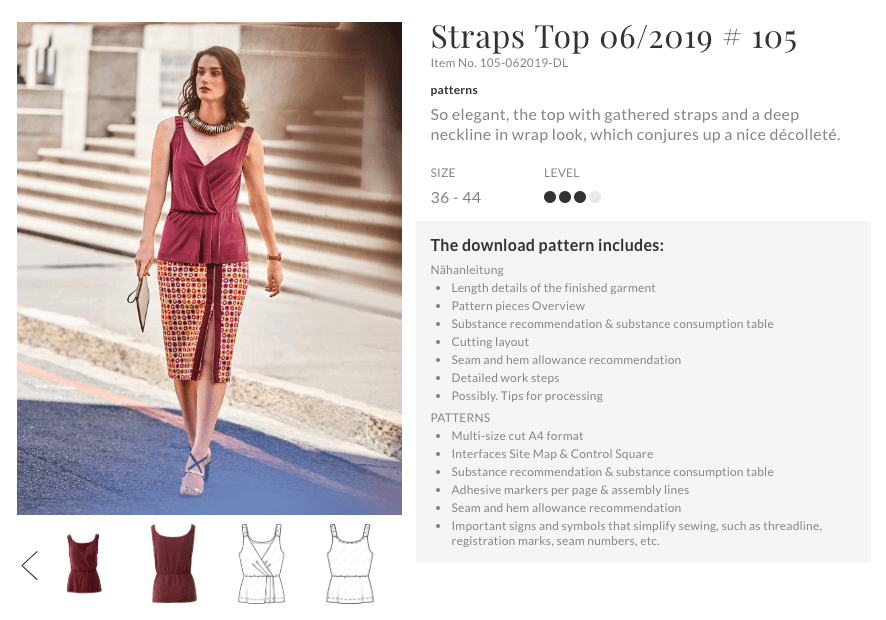
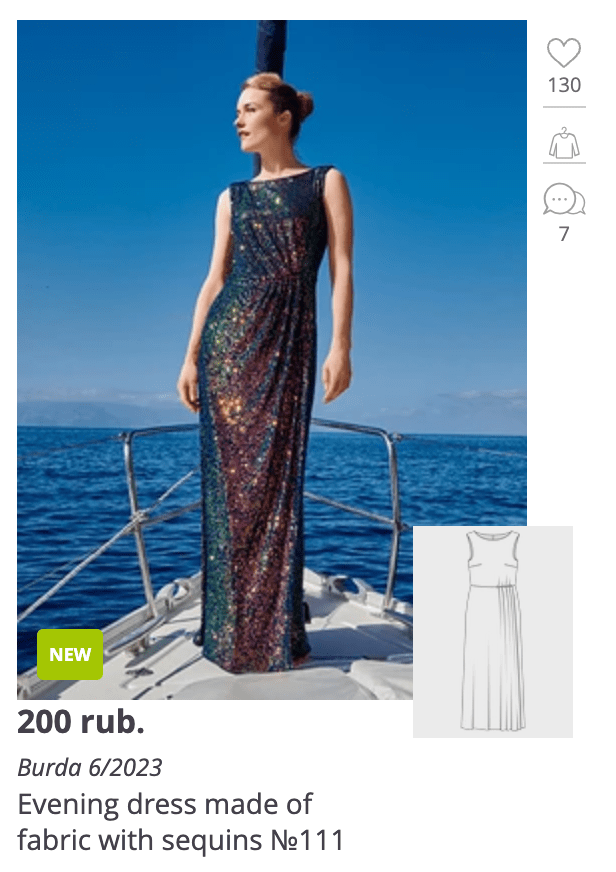
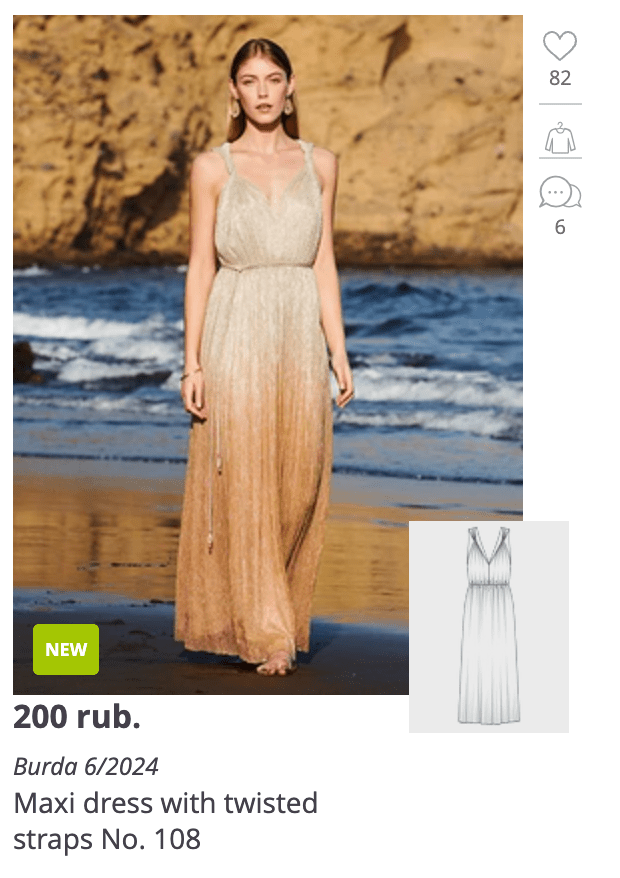
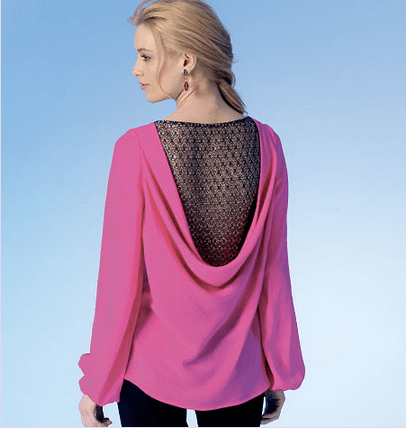
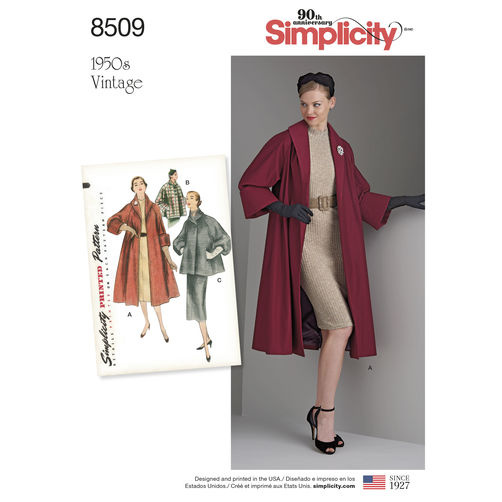
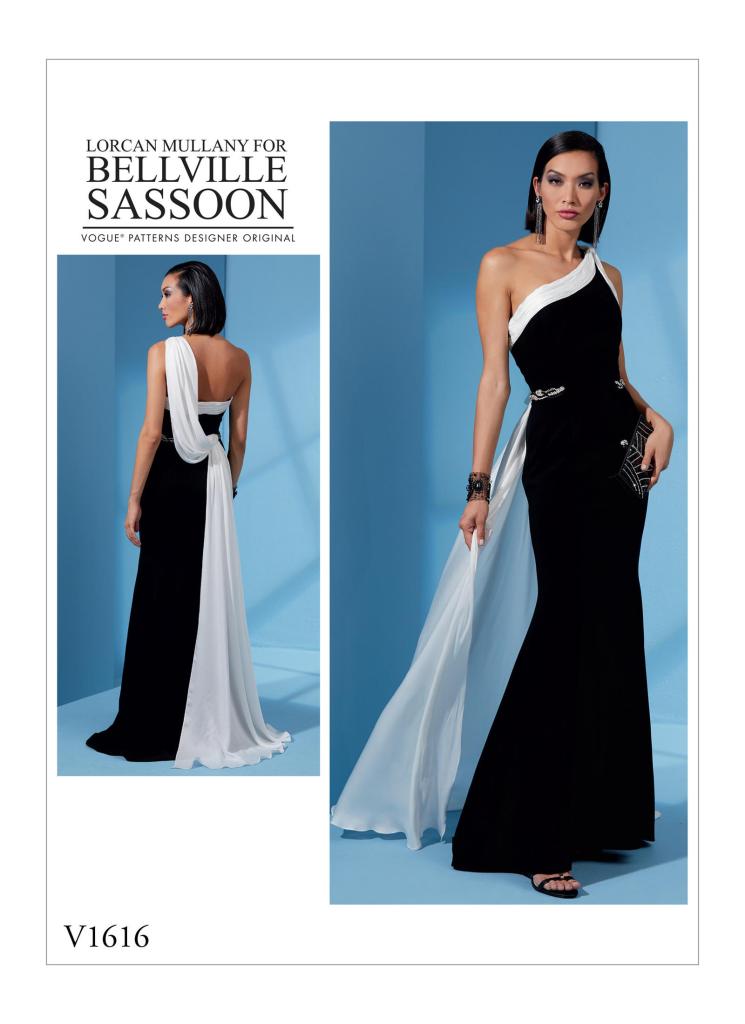
I want to whittle this down to more concrete sewing plans soon but for now I think that’s a decent amount of discussion on the Kitchener essences. Hopefully the overview was helpful, and the graphing of all of my past sewing projects was interesting. And I hope it was also helpful to show how I worked through my planning stages of coming up with a more refined sewing plan. I feel like I still have a lot to learn about the essences and I’m not entirely confident that I have fully figured out my blend, but I do think that this process has given me a way to narrow down my queue of sewing projects even further. I’m sure there will be more on this topic as I continue to read more about it, and I think my upcoming review of Kibbe’s new book will also add a whole other layer to this discussion, but I don’t know how many more posts I’ll be doing on the Kitchener Essences right away. If there’s interest I might do a few “patterns for the essences” posts, but likely without the kind of regularity that I had when I was writing about Kibbe (job situations and other responsibilities being what they are now compared to back in the day). But for now, I’ve got a lot to think about and to play with in terms of coming up with a more concrete wardrobe plan. I know it’s been a long post but thanks for following me on this deep dive down the Kitchener Essence rabbit hole!
 Doctor T Designs
Impressive! I always enjoy seeing your thought process, and how you match patterns to ideas.
LikeLiked by 1 person
That was fascinating! For what it’s worth, and I’m no expert on any of this, I think you have some Romantic essence. And you certainly rock anything drapey so I see where the Ethereal is coming from too.
I think the thing I don’t yet get about Kitchener is how to apply it. Kibbe is very prescriptive, which is great if his prescriptions work for the individual, but it sounds like Kitchener has more nuance and so needs more effort.
I love the idea of categorising all your blog outfits, and I’m really looking forward to your review of The Power of Style.
LikeLiked by 1 person
I think the “application” of this system is to sort of lean into the stereotypes and blend them together (which I know the internet will yell at me for saying because it’s supposed to be about individual style). But, the Dramatic recommendations tend to be bold and Dramatic, the Romantics tend to be a bit sexy and Romantic, etc. I think that Thembi’s View YouTube channel has a lot of good videos about inspiration for the different essences in different style seasons, but the inspirations are definitely *fashion* and not like, I just want to look good as a normal person but not like a fashion influencer. The Truth is Beauty Blog also has Pinterest boards for each of the blend types (example: Romantic-Ethereal-Dramatic, but links to the other types are on the sidebar) but these are similarly fashion-y. I do think looking at these examples do help give a starting point to get ideas about what works for the essences, but I think it takes a bit more effort to translate that to less aspirational styles of dress.
LikeLiked by 1 person
Yeah, while I’d love to wear everything on some of the boards, they’re not exactly the sort of thing you could wear to the supermarket
LikeLiked by 1 person
The Dramatic Romanic Ethereal is how I dress in my head… not so much how I dress in my every day 😂
LikeLiked by 1 person
This is, as always, so interesting. I’ve been following your blog for years and keep coming back to the Kibbe-series. Personally, I’ve found that I look best in Kibbe Classic per se – the clothes act as a kind of white canvas on which I first appear (I know that doesn’t “officially” exist anymore, but it’s where I find myself most personally). At the same time, what never really suited me to Kibbe Classic seems to be a strong Ethereal Essence, in any case I like it and feel at home in it. This is another reason why I would be very interested in all the patterns you have collected on your preliminary planning board. I have already scrolled it large and still didn’t recognize all of them. Would it perhaps be possible to show them larger? That would be so great! Thank you!
Jana
LikeLiked by 1 person
I will do more planning posts eventually but I have a few other projects to post about first!
LikeLike